Dealing with the frustration of tangled or broken tent poles is a common experience for campers. A meticulously planned camping trip can quickly unravel into a frustrating task when faced with a tangled mess of tent poles. Tent poles, essential components of any camping gear setup, are crucial for providing support and structure to your shelter, enabling you to enjoy a comfortable and safe overnight stay in nature. However, the inconvenience of tangled poles or even broken poles can drastically diminish the overall enjoyment and create unnecessary stress and hassle, potentially causing issues for even the most experienced campers. This article delves into the common causes of this problem and provides practical solutions for preventing and dealing with these frustrations.
Preventing Tent Pole Issues
Proper Storage and Handling
Proper storage and handling of tent poles are crucial steps in preventing tangles and breakage. When not in use, tent poles should be stored carefully in their designated storage case, ensuring they are not bent or exposed to harsh conditions. Avoid throwing them haphazardly into backpacks or other equipment. Properly storing your poles will also minimize the chance of damage from external factors, such as rough terrain or extreme temperatures. When setting up your tent, take your time and proceed with caution. A systematic approach to assembling your tent reduces the likelihood of accidentally bending or twisting the poles. Take time to lay out your tent before attaching poles, carefully examine the pole placement guidelines. Check the pole pockets before inserting the poles, so as not to accidentally miss a pocket or inadvertently use the wrong pole in a particular part of the tent.
Regular Inspection and Maintenance
Regularly inspect your tent poles for any signs of damage, such as cracks, dents, or bends. Any damage, no matter how small, could lead to a break during use. If you notice any damage, it is best to replace the affected pole or the entire set. Proper maintenance is key to prolonging the lifespan of your tent poles, reducing the chances of unforeseen issues.
Fixing Tangled Tent Poles
Identifying the Source of the Tangle
Before attempting to untangle a tangled mess of tent poles, carefully identify the source of the tangle. Is one pole wrapped around another? Are multiple poles twisted together? Knowing the pattern of the tangle is essential for applying the appropriate techniques for disentanglement. Carefully assess the tangle from all angles, noting the exact nature of the interference between the poles. A methodical approach can help prevent further damage to the tent poles during the disentanglement process.
Untangling Techniques
Carefully untangle the poles, using gentle but firm strokes. Using a pair of sturdy needle-nose pliers can be helpful to gently grip and pull the poles apart without causing further damage. Be mindful of the tension as you work to disentangle the poles to avoid breaking them. Using a soft cloth or padded tool can also help to protect the pole from scratches. A methodical approach, and precise technique helps prevent further tangles and potential damage during the untangling process. If possible, have someone assist you with stabilizing the other poles that are not directly involved in the tangle.
Repairing Broken Tent Poles
Identifying the Extent of the Damage
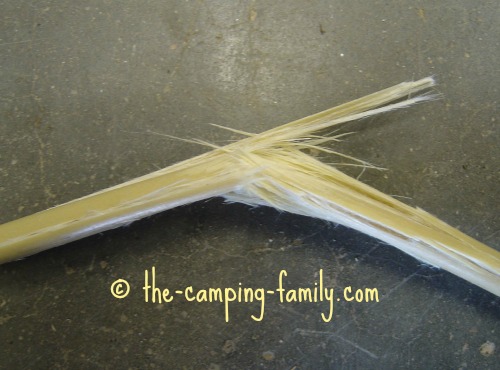
When dealing with a broken tent pole, the first step is to carefully assess the extent of the damage. Is the pole cracked, bent, or completely broken? Determine the precise nature of the damage to identify the appropriate repair techniques. Assess the damage to the pole; this includes identifying the break point, the length and nature of the fracture, and the potential level of damage to the surrounding components and connectors. This initial evaluation aids in determining the best and most effective repair strategy to use.
Repairing Methods
Tent poles that have only slight bends can sometimes be straightened by gentle and controlled manipulation. However, for more serious damage, you should consider contacting a camping equipment repair specialist or replacing the damaged pole altogether. Using a flexible and sturdy repair tool, carefully apply the proper pressure or adhesive to repair the breakage point of the pole.
Choosing the Right Tent Poles
Choosing Lightweight Poles
Lightweight tent poles are typically constructed from materials such as aluminum or fiberglass. These materials are known for their strength and durability, ensuring efficient support for your tent even in challenging weather conditions. Lightweight tent poles are generally favored for their ease of transport and storage, without compromising on the structural integrity of your tent.
Selecting Durable Materials
Selecting tent poles made from durable materials like fiberglass or high-quality aluminum is crucial to prevent frequent breakage. Durable materials are resistant to bending, twisting, and snapping under pressure. Material composition directly affects the pole’s ability to withstand both anticipated and unanticipated stresses during assembly or use.
Additional Tips and Tricks
Storing Poles Separately
Storing tent poles separately, using individual sleeves or storage bags is recommended to prevent them from tangling. This method keeps the poles organized and readily available when needed, thereby minimizing the risk of accidental tangles while setting up the tent. Keeping your poles well-organized reduces the likelihood of them getting entangled in other equipment or items during storage, thereby improving setup efficiency and accuracy.
Understanding Pole Specifications
Always carefully read and understand the specifications of your tent poles, including their maximum load capacity, material properties, and any potential use restrictions. Understanding the specifications provides valuable insight regarding appropriate storage and handling techniques.
Avoiding Future Issues
Proper Packing Techniques
When packing your tent poles, use specialized storage bags to keep them from tangling together during transport and storage. This prevents damage and maintains the usability of the tent poles. This organizational measure keeps your equipment in order and avoids the likelihood of misplacing or damaging any of the items. This practice also reduces the chances of tangles while assembling the tent. This organization strategy protects the poles from the risk of bending, twisting or snapping.
Inspecting Tent Poles Before Each Use
Thoroughly inspecting tent poles before each camping trip is essential to identify any damage or signs of wear and tear that may have occurred during storage or previous use. This proactive step reduces the risk of encountering breakage issues during tent assembly, thereby enhancing the quality of your outdoor experience.
Addressing Common Mistakes
Overstuffing Backpacks
Avoid overpacking backpacks with an excessive number of items, potentially leading to unintentional tangling or damage to the tent poles. Efficient packing prevents the risk of the tent poles bending or twisting during transport or storage, thereby reducing the possibility of tangles during setup.
Choosing the Right Camping Tent
Selecting Tents with Poles in mind
When selecting a camping tent, consider tents that incorporate pole designs that are conducive to efficient setup and storage. This aspect contributes to the seamless and uninterrupted enjoyment of your outdoor camping experience.
Conclusion Tips
Using Tent Pole Storage Cases
Utilizing high-quality tent pole storage cases can significantly prevent tangling and breakage. Storage cases are designed to fit your specific poles perfectly, preventing unnecessary movement and potential damage to the tent poles. Cases are designed with compartmentalization, creating a highly organized way to store these components for easy access and use during tent setup.
Regularly Checking Pole Conditions
Maintaining a habit of regularly checking the condition of your tent poles ensures that you have working components ready for your next camping adventure. Regular inspections prevent the accumulation of potentially problematic wear and tear. Regular inspection and storage routines mitigate potential risks during use and increase the chances of a seamless and worry-free camping experience.
How can I prevent tent pole tangles in the future?
What are some creative solutions for fixing broken tent poles during a camping trip?
Where can I find replacement tent poles or accessories?
In conclusion, dealing with tangled or broken tent poles is a common frustration for campers. By following the tips and tricks outlined in this article, you can prevent these issues from arising and effectively resolve them if they do. Remember to regularly inspect your tent poles and ensure they’re properly stored when not in use. For further assistance, you can explore resources like online forums and community groups dedicated to camping. Happy camping!