
Noisy campers can seriously dampen the enjoyment of a camping trip. These disruptive individuals often overshadow the beauty of nature and the shared experience many outdoor enthusiasts seek. Understanding the causes and consequences of noisy camping behavior is vital for all outdoor enthusiasts. This article dives deep into the frustration of noisy campers and fellow outdoor enthusiasts, offering actionable solutions to create a more peaceful and enjoyable outdoor adventure for everyone. It will cover various strategies, from noise management techniques to respectful camping etiquette, ensuring you have a wonderful camping experience. Here’s how to handle the noise and create positive interactions for everyone involved in a camping trip.
Understanding the Problem
The Impact of Noise on Outdoor Experiences
Camping trips are often planned around seeking tranquility and rejuvenation amidst nature’s beauty. However, noisy campers can easily disrupt the peace, reducing the appeal of a shared experience. This problem negatively impacts both the camper and those around them, causing stress, discomfort, and in many cases, negatively impacting the overall experience of the campsite. Noise pollution during camping can damage the enjoyment of your outdoor excursion and others around you. According to recent surveys, a significant portion of campers report that noise is their top complaint during outdoor trips, highlighting the pervasive nature of this issue and its impact on public enjoyment. Proactive noise management is essential for ensuring positive experiences for all parties involved, encouraging consideration and courtesy for everyone in the vicinity.
Noise Management Strategies for Campers
Effective Solutions for Noise Reduction
Creating a peaceful camping experience involves proactive steps from both the noisy camper and others in the group. Firstly, establishing clear guidelines and rules concerning noise levels in designated camping areas can be effective. Public service announcements and posters clearly outlining camping regulations, including noise levels, are highly effective to support this. Consider a noise curfew for each campsite, as well as reminding group members of the importance of appropriate noise management for every person involved. Furthermore, campers can make a point of reminding themselves and fellow campers about appropriate volume levels and times for conversations and other activities. Outdoor enthusiasts should actively encourage their fellow outdoor enthusiasts to keep noise levels to an acceptable level during specific times of the day, particularly when considering the sensitivities of others, to avoid potential conflict.
Encouraging Respectful Camping Etiquette
Fostering a Sense of Community
Respectful camping etiquette plays a key role in preventing conflicts and creating a positive shared experience. Clear guidelines regarding campsite cleanliness, noise levels, and responsible waste disposal can proactively mitigate potential conflicts among campers. Educating campers on proper etiquette before or during their outdoor trips can be helpful in these scenarios, as it promotes thoughtful interactions and consideration for shared spaces. Community forums and dedicated social media groups can serve as helpful tools for sharing best practices among outdoor enthusiasts, enabling continuous improvement of camping culture among campers.
Addressing Noise Complaints
Constructive Communication
If noise issues arise, a calm and constructive approach is key. Instead of confrontations, focus on direct but polite communication. Express concerns in a manner that focuses on the impact the noise is having, and suggest potential solutions. Encourage noise-conscious behaviors among your fellow campers to create a mutual understanding. Providing clear and concise feedback on noise-related issues amongst campers can positively influence noise mitigation strategies.
Many studies have shown that respectful and empathetic communication can resolve disputes.
Camping Etiquette and Culture
A Deeper Dive into Responsible Outdoor Adventure
Camping etiquette and culture is a crucial part of responsible outdoor adventuring. Understanding and respecting these guidelines helps campers enjoy a positive experience while considering the needs of other campers around them. This often involves a balance between having a good time and understanding the needs of the people around you. Emphasizing the importance of environmental stewardship helps campers recognize the value in preserving natural environments, and the importance in their maintenance. Outdoor enthusiasts should proactively seek information on best practices and share this information with others during their excursions.
The Role of Campsite Management
Setting Boundaries and Enforcing Rules
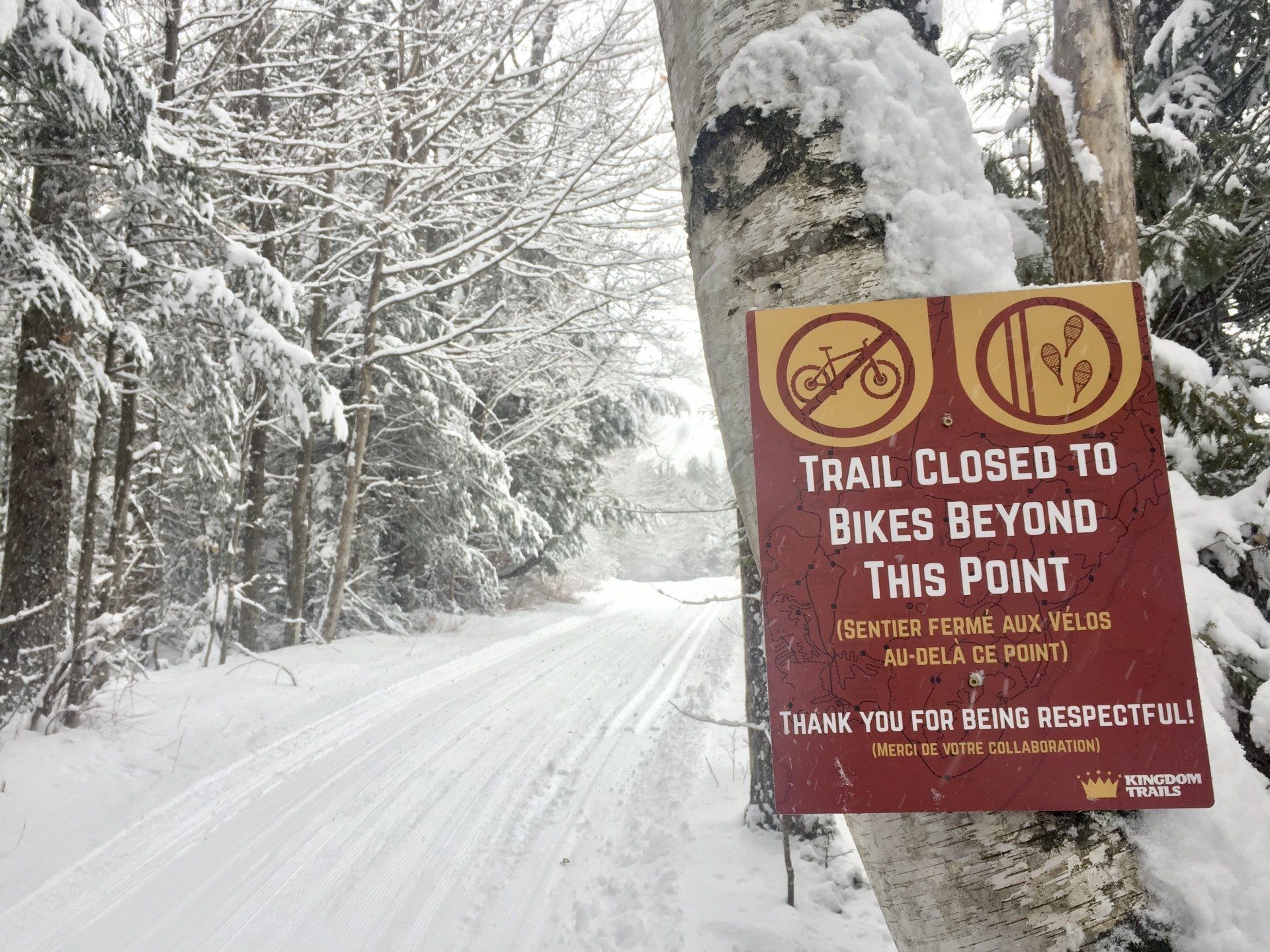
Campsite managers play a vital role in maintaining a peaceful and enjoyable environment for all. Establishing clear noise regulations and enforcing them consistently can significantly reduce noise problems. They can provide signage outlining noise restrictions and encouraging the importance of respecting each other’s space and consideration for shared spaces. Campsite managers can also proactively organize workshops or discussions focused on mindful camping practices, which can foster a sense of community and respect. These strategies can foster awareness among campers.
Preventive Measures and Education
Proactive Steps for a Peaceful Experience
Several measures can be taken proactively to prevent noise problems from arising. First, clear and accessible information on camping etiquette and noise restrictions should be provided to all campers upon arrival. Pre-trip information or education sessions, before entering a campsite, would proactively reduce conflict and highlight the importance of responsible camping. Informational resources can be made available at the campsite or disseminated through email or social media channels.
Promoting Peaceful Camping Practices
Encouraging Respect and Consideration
Promoting a culture of respect and consideration among campers is crucial to preventing noise issues. Campground staff and facilitators can organize activities that reinforce these values. Organized discussions, group activities or talks about respecting each other’s peace and quiet can help set a positive tone among groups. Engaging campers in discussions about the importance of minimizing noise and respecting everyone else’s space can establish this important cultural awareness among participants.
Technology’s Role in Noise Mitigation
Practical Solutions with Modern Tools
Technology offers potential solutions for noise management in campsites. Noise monitoring systems and apps that allow campers to track and adjust noise levels can be beneficial. Sound-dampening techniques and materials used in tents and equipment are also important considerations when making camping arrangements, allowing campers and outdoor enthusiasts to limit the noise created. Modern tools have the potential to mitigate noise issues when properly employed by campers.
Frequently Asked Questions
What are some effective strategies for managing noise during camping trips?
Noise management during camping can significantly improve your experience and the experience of others. Consider designated quiet zones, utilize sound-dampening equipment like tents with good ventilation, and encourage mindful conversation and activity schedules. Also, remind yourself and your group of the importance of noise-conscious behaviors and appropriate volumes at different times of the day. Respecting the natural environment and the people around you is crucial.
How can I approach a noisy camper about their behavior without causing conflict?
Approaching a noisy camper constructively is key to maintaining a peaceful experience. Instead of confrontational tactics, try a direct, but polite conversation. Explain how their noise is affecting others and suggest ways they might adjust their activities to be more considerate. Suggest resources and information on considerate camping etiquette for helpful guidance in this situation, so as to not come across as hostile.
In conclusion, the frustration of noisy campers and fellow outdoor enthusiasts is a significant issue that impacts the enjoyment of shared outdoor spaces. By understanding the root causes of this problem, taking proactive steps like noise management strategies, and fostering a sense of community, we can improve the overall experience for everyone. Learn more about creating peaceful outdoor experiences by reading our comprehensive guide on camping etiquette. Visit our website for more resources and tips on how to be a responsible and considerate outdoor adventurer!