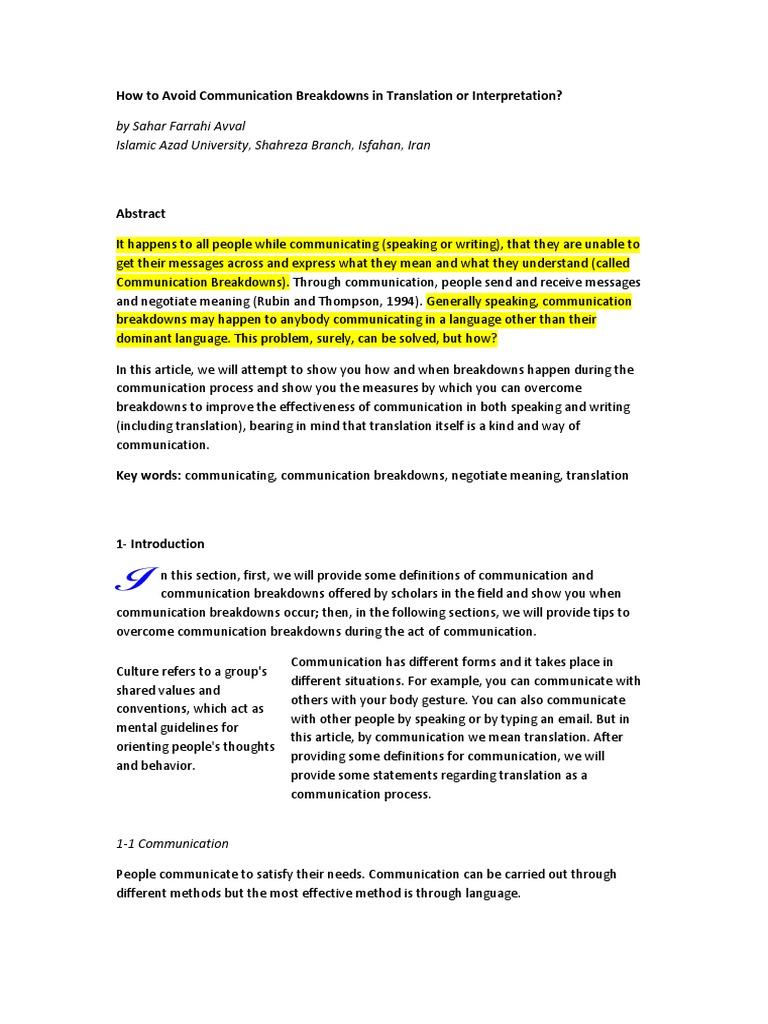

Lost in Translation adventures are common pitfalls in foreign expeditions, and overcoming these challenges is crucial for successful experiences. Imagine a team of explorers, determined to map uncharted territories, yet struggling to understand each other due to language barriers or differing communication styles. These scenarios highlight the perils of inadequate cross-cultural communication on expeditions, leading to frustration, delays, and even potential dangers. This article explores the common communication breakdowns encountered during foreign expeditions and provides practical strategies to mitigate these risks. We’ll examine the different types of communication breakdowns, analyze why they occur, and discuss concrete steps to prepare and overcome these challenges, ensuring successful and enriching experiences on foreign expeditions. This article will cover several key areas, including understanding cultural communication styles, utilizing translation tools, and developing robust communication plans.
Understanding the Nuances of Cross-Cultural Communication
Language Barriers and Misunderstandings
Language barriers are often the most obvious obstacle in international travel. Even with basic phrases, subtle differences in grammar, idioms, and slang can lead to misunderstandings. A simple phrase in one language might have an entirely different meaning in another, potentially leading to confusion or misinterpretations. This is particularly crucial during critical moments like emergencies. Moreover, accents and dialects can make communication even more challenging. This underlines the necessity of preemptive language learning and the potential use of translation tools, ensuring clear and unambiguous communication.
Cultural Communication Styles
Cultural communication styles differ significantly across cultures. Nonverbal communication, such as gestures, facial expressions, and personal space, can vary greatly, leading to misinterpretations. For example, a gesture considered polite in one culture might be offensive in another. These differing communication styles can create unexpected challenges and highlight the importance of understanding the local customs and etiquette before embarking on a foreign expedition. For instance, in some cultures direct communication might be viewed as impolite, while in others it may be necessary for effective decision-making. Understanding these subtleties allows for smoother interactions during the journey.
Technological Limitations in Remote Locations
In remote areas, technological limitations can further complicate communication, particularly in the absence of reliable internet connections. This lack of connectivity can create delays in communication with support teams or hinder the ability to access crucial information or directions. Expedition members may be unable to quickly contact authorities or emergency services, potentially endangering themselves and others. This highlights the critical importance of contingency plans and alternative communication methods, such as satellite phones or pre-established communication protocols.
Implementing Proactive Communication Strategies
Pre-Trip Preparation and Research
Thorough research and preparation before embarking on a foreign expedition are essential for effective communication. Learning basic phrases in the local language using resources like language learning apps or flashcards can be a beneficial first step. Familiarizing oneself with local customs, etiquette, and communication styles is vital to mitigate misunderstandings. Understanding the local culture can help travelers tailor their communication strategies effectively.
Utilizing Translation Tools and Resources
Employing translation tools like Google Translate or hiring a local interpreter can be invaluable. These resources can bridge language gaps and facilitate smooth communication between team members and locals. Combining translation tools with cultural sensitivity guides can enhance the understanding of cultural subtleties and nuances during expeditions, enabling better interactions with locals and minimizing the risks of misinterpretations.
Developing Contingency Communication Plans
Developing a contingency communication plan is essential for unexpected situations, such as unreliable internet access or equipment failure. This plan should include backup communication methods, such as satellite phones, walkie-talkies, or pre-established communication codes. Having a defined communication chain for emergencies or urgent situations can save precious time and potentially prevent crises.
Case Studies and Examples of Effective Communication
Expedition in the Amazon Rainforest
A team of researchers in the Amazon rainforest encountered difficulties communicating with local indigenous communities due to the limited proficiency of the researchers in the local languages. To overcome this challenge, they employed a local interpreter, who facilitated smooth communication, helping them gather valuable data from the community.
Mountain Climbing Expedition in the Himalayas
In a challenging mountain climbing expedition in the Himalayas, the team was facing significant obstacles in clear communication because of the remote location and difficulties in establishing contact with their support team. By implementing satellite phones as a backup communication method, they were able to quickly alert emergency services and receive critical updates. This highlights the crucial nature of proactive planning and contingency strategies in expeditions.
Language Barriers during Archaeological Digs
Archaeological digs, international in nature, often encounter diverse teams with varying language backgrounds. These excavations frequently need clear communication to understand complex findings. To ensure effective communication, employing simultaneous interpreters and specialized dictionaries proved to be vital for researchers to effectively communicate and document the excavation findings efficiently.
Addressing Technological Limitations
Reliable Communication Methods
Reliable communication methods are pivotal for successful foreign expeditions. In remote areas, technology can falter. For example, low signal strength may not provide adequate connectivity for critical information exchange. Therefore, travelers need to be equipped with alternative communication options, such as satellite phones, to ensure smooth data transfer. Pre-established emergency procedures are equally crucial in ensuring timely assistance during unforeseen events or emergencies.
Importance of Contingency Plans
The unpredictability of remote settings necessitates extensive contingency plans to counter communication disruptions. These plans should cover potential failures in communication infrastructure, ensuring seamless communication throughout the expedition. For instance, a pre-agreed signal or code could be used for urgent situations where contact may be limited.
Training and Education
Thorough training on effective communication, including dealing with cultural nuances, is imperative for successful expedition outcomes. This education should be tailored to the specific location and cultural contexts, providing teams with the tools and knowledge they need to tackle communication challenges head-on and ensure effective communication.
The Role of Cultural Sensitivity
Understanding Cultural Norms
Cross-cultural encounters demand a deep understanding of local cultural norms and communication styles. Respecting these norms and customs demonstrates respect and helps to avoid misunderstandings or conflicts. For instance, adjusting your volume during conversations or utilizing different modes of communication—from email to direct conversations— based on cultural contexts, will reflect your cultural sensitivity and ease interactions.
Adaptability and Flexibility
Adaptability and flexibility are crucial for navigating cultural differences effectively. Recognizing and adapting to varying communication styles is essential for successful interactions. Be mindful of communication styles that vary between cultures; they are not always easily discernable.
Fostering Mutual Respect and Understanding
Promoting mutual respect and understanding is critical in building rapport and encouraging seamless communication. Active listening, empathy, and patience are important qualities in bridging cultural gaps and navigating challenges.
Conclusion
Lost in Translation adventures can be mitigated with careful preparation and proactive communication strategies. By understanding potential pitfalls, implementing appropriate measures, and preparing for varied communication situations, travelers can confidently navigate cross-cultural encounters and foster positive experiences during foreign expeditions. By implementing proactive measures, you’ll avoid the potential challenges and ensure a successful and memorable experience. Learn effective strategies for navigating cross-cultural expeditions in your next travel adventure by signing up for our newsletter.
FAQ
What are some common communication breakdowns during foreign expeditions?
Common communication breakdowns during foreign expeditions often stem from language barriers, cultural misunderstandings, and differing communication styles. Misinterpretations can arise from nonverbal cues, idioms, slang, and accents. Additionally, technological limitations, such as unreliable internet connections, can hinder communication between team members or with support back home. These breakdowns can range from minor inconveniences to more serious issues, highlighting the importance of proactive communication strategies.
How can travelers prepare for potential communication challenges in foreign expeditions?
To prepare for potential communication challenges, travelers should learn basic phrases in the local language, utilize translation apps or dictionaries, and consider hiring a local interpreter or guide, especially for complex expeditions. Understanding cultural nuances and communication styles of the destination is crucial for avoiding misunderstandings. Having a detailed communication plan, including backup methods in case of technology failure, can significantly mitigate the risks associated with communication breakdowns, increasing the chances of a successful and enriching experience.
What resources can help travelers overcome communication barriers?
Various resources can assist travelers in overcoming communication barriers, including language learning apps like Duolingo and Babbel, translation tools like Google Translate and Microsoft Translator, and cultural sensitivity guides. Engaging with local communities and participating in cultural exchange programs can be immensely beneficial for understanding the local communication styles and enhancing communication skills. Moreover, seeking advice from experienced travelers who have faced similar challenges and leveraging online forums or travel communities can provide valuable insight and practical tips.
In conclusion, navigating Lost in Translation adventures requires meticulous planning, adaptability, and robust communication strategies. By acknowledging the potential pitfalls and implementing proactive measures, travelers can confidently embrace the unique challenges of cross-cultural encounters and create unforgettable, enriching experiences. Learn more about effective communication strategies in diverse settings by subscribing to our newsletter for tips and insights on overcoming communication barriers in foreign environments.