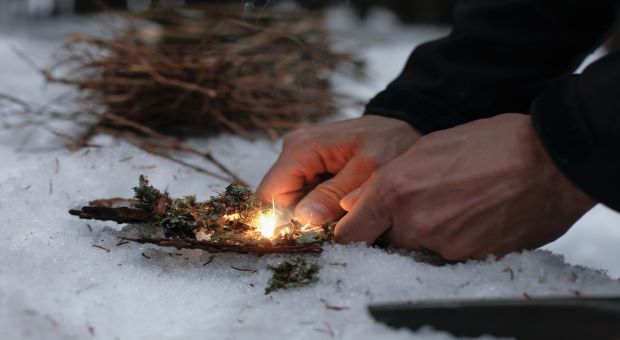
The struggle to start a fire in challenging outdoor conditions is a common obstacle for outdoor enthusiasts and survivalists. This comprehensive guide delves into the intricacies of fire starting in difficult weather scenarios, offering practical tips and essential gear for success. Whether you’re a seasoned camper or a novice adventurer, mastering fire starting in adverse conditions is a crucial survival skill. This article will explain how to identify challenging conditions, gather the right gear, and implement effective techniques to ignite a fire, regardless of the weather. I will outline the preparation necessary, different techniques for overcoming obstacles, and the critical role of safety in the wilderness. The structure of this article will be as follows: firstly, we will examine the challenges and identify essential tools; secondly, we will cover various fire-starting techniques for challenging weather conditions; lastly, we will discuss the critical role of safety and prevention during fire building in the wilderness.
Understanding the Challenges
Assessing Weather Conditions
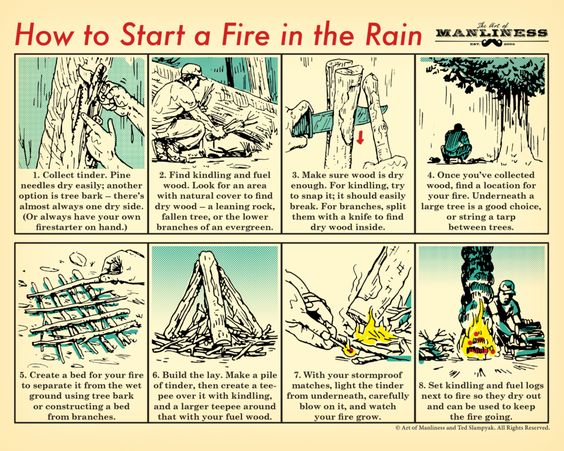
Starting a fire in challenging outdoor conditions hinges on understanding and responding to the specific weather conditions. High winds, heavy rain, or extreme cold can significantly hinder the fire-starting process. Accurate assessment of wind speed and direction, precipitation levels, and temperature extremes is crucial for successful fire building. Wind, for instance, can quickly extinguish small flames or blow embers away from the fire pit. High winds can cause significant issues for igniting a fire, and excessive moisture in the air and ground makes it difficult to dry materials for kindling or fuel. Furthermore, extreme cold can make it challenging to maintain a fire due to the difficulty in keeping the necessary materials dry.
Choosing Suitable Locations
Choosing the right location to start a fire is crucial. Seek shelter from strong winds, and clear any dry leaves, twigs, and flammable material in a large area around the fire pit. A sheltered location will minimize the disruptive effects of wind and help maintain a stable, manageable fire. This consideration extends to maintaining an adequate distance from the tent or campsite and other vulnerable materials.
Essential Gear and Preparation
The Right Fire Starter
Having the right fire starter is essential to get your fire going, especially in difficult weather conditions. Waterproof matches, a reliable lighter, or a ferrocerium rod will perform best, depending on the conditions. Consider a waterproof container to protect your starter and other equipment from moisture and damage.
Essential Tinder and Kindling
Dry tinder, like dry cotton balls treated with petroleum jelly, or char cloth, is critical. Waterproof containers are essential for storing these items, ensuring they stay dry and retain their effectiveness. Kindling should be meticulously selected and dried to avoid moisture problems.
Waterproofing Materials
Protecting tinder and kindling from moisture is critical for fire starting in adverse conditions. Properly waterproofing essential materials and ensuring they remain dry is essential. Moisture-resistant containers and methods for storing your supplies are essential for guaranteeing your success in building a fire in harsh conditions.
Fire-Starting Techniques for Challenging Weather
The Bow Drill Method
The bow drill method is an effective way to ignite a fire in challenging weather conditions. It involves using friction to create heat, and this method often works in conditions where other techniques may fail, as it generates a lot of heat. However, it requires considerable practice and skill and is more suited to milder weather.
Using a Hand Drill
Another technique that works in challenging weather involves using a hand drill for fire starting. This approach, also known as the fire plow method, relies on friction to produce the heat required to ignite tinder. Practice and technique are essential for effectiveness in this method.
Safety Precautions and Prevention
Maintaining a Safe Distance
Always maintain a safe distance from any flammable materials when starting a fire, especially in adverse conditions. Keep your campsite clear of dry brush or leaves. This precaution is essential to preventing the spread of uncontrolled flames or sparks.
Monitoring Fire Progress
Continuously monitor the fire’s progress, especially in strong winds. Ensure that the fire is not growing uncontrollably. This is important to prevent potential damage or harm to others or the environment.
Using appropriate extinguishing equipment.
Always maintain access to appropriate fire-extinguishing tools. The ability to extinguish the fire quickly is essential for preventing unexpected scenarios.
Conclusion of the article.
The struggle to start a fire in challenging outdoor conditions is a common obstacle for outdoor enthusiasts and survivalists. This comprehensive guide delves into the intricacies of fire starting in difficult weather scenarios, offering practical tips and essential gear for success. Remember to prioritize safety and environmental stewardship.
Additional Tips for Fire Building
Gather Materials in Advance
Ensure materials are collected and stored in a waterproof way beforehand. Gathering supplies and ensuring they are properly packaged in advance is an important step to success in building fires in difficult conditions.
Use Additional Fire starters
Use other materials to improve the efficiency and success of starting a fire, especially in difficult conditions. These materials should be lightweight, readily available, and able to ignite easily.
Frequently Asked Questions
Q1: What are the essential tools for fire starting in adverse weather?
A1: Essential tools for fire starting in adverse weather conditions include a reliable fire starter (waterproof matches, lighter, or ferrocerium rod), tinder (highly flammable materials like dry cotton balls or char cloth), kindling (small twigs and branches), and fuel wood. Choosing materials that will resist moisture and provide a good initial spark is key. Also, include a waterproof container for storing your tools to keep them in good working condition.
Q2: How can one effectively prepare for starting a fire in challenging weather?
A2: Proper preparation is paramount to successful fire starting in difficult weather. Assess the conditions, including wind speed, precipitation, and terrain. Pack ample tinder and kindling resistant to moisture. Ensure your fire starter is fully functional and waterproofed. A waterproof container or bag is crucial to protect your tools from the elements. Also, locate a sheltered spot from the wind, and clear a large area around the fire pit to prevent accidental spread of flames or sparks to vegetation.
In conclusion, starting a fire in challenging outdoor conditions requires meticulous preparation, understanding of the elements, and practical skills. By anticipating potential obstacles and having a well-equipped kit, you can significantly increase your chances of success. Practice your skills in controlled environments to build confidence and improve your fire-starting abilities. Remember to prioritize safety and respect the natural environment.