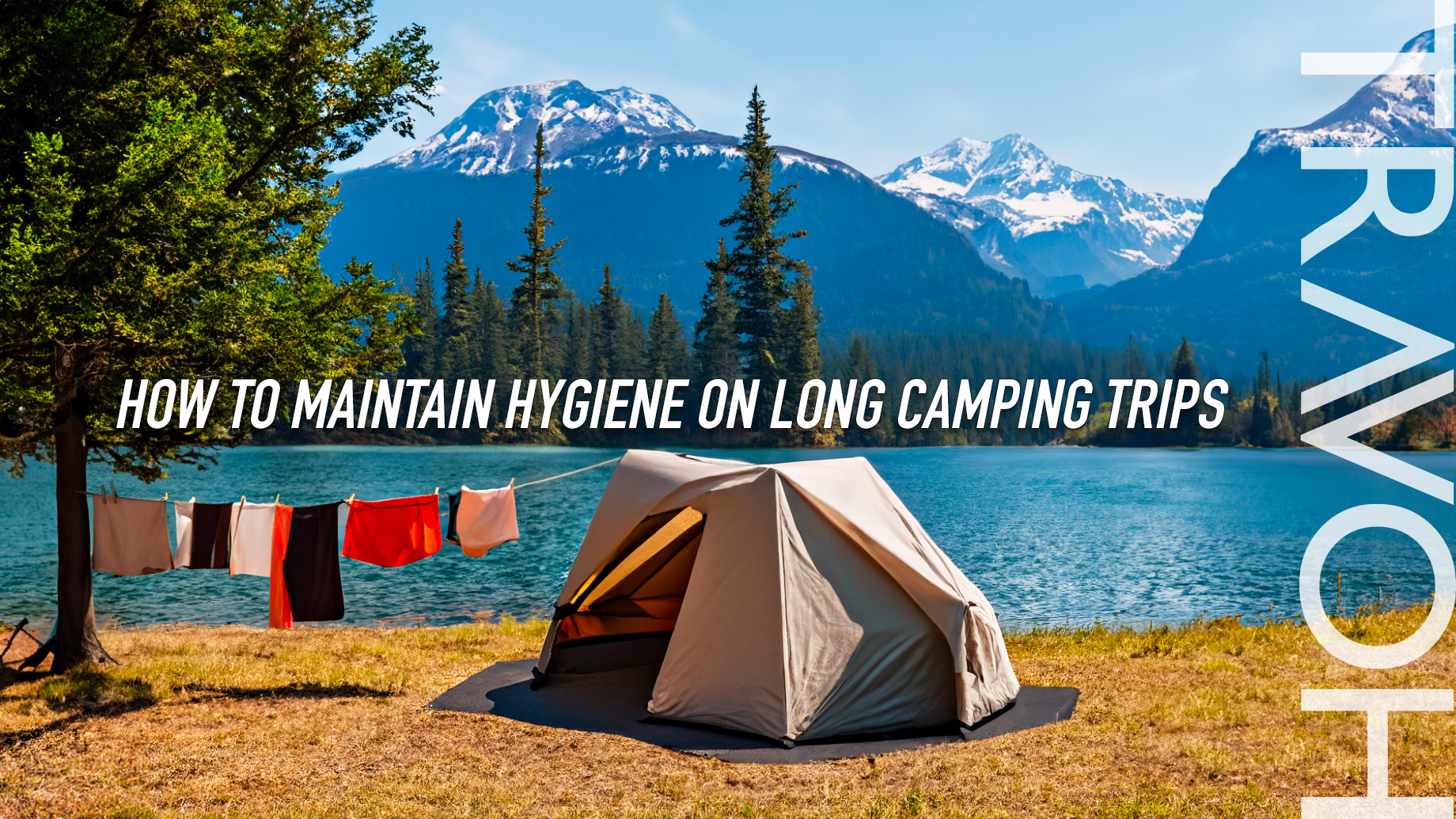
Maintaining personal hygiene on long outdoor trips presents a unique set of challenges. Whether backpacking through rugged terrain or camping in remote wilderness areas, staying clean and healthy is paramount for a safe and enjoyable experience. Effective hygiene practices are not just about cleanliness but also about preventing infections and injuries, ensuring overall well-being, and maintaining morale during prolonged excursions. The purpose of this guide is to address the specific needs and potential issues associated with hygiene on such expeditions. We’ll explore essential supplies, proven techniques, and practical advice, empowering you to stay comfortable, healthy, and prepared for any outdoor adventure. This guide covers crucial topics like sanitation, water purification, and grooming procedures.
The Importance of Hygiene During Outdoor Adventures
Basic Hygiene for Enhanced Wellbeing
Outdoor excursions, whether hiking, backpacking, or camping, often take individuals far from conventional amenities. Maintaining personal hygiene in these situations is critical for comfort, safety, and overall well-being. Ignoring basic hygiene practices can lead to discomfort, infections, and even potential health hazards. Proper hygiene isn’t just about cleanliness; it’s a fundamental aspect of safety and confidence during long outdoor journeys. One must understand that proper hygiene is vital not just for avoiding infections, but also for boosting overall morale. In challenging environments, feeling clean and refreshed can maintain positive spirits. This is particularly important on extended trips when stress and fatigue can set in.
Water Management and Sanitation in Remote Locations
Finding and Treating Water
Water is essential for maintaining hygiene, and its accessibility varies depending on the environment and location. When embarking on an outdoor trip, ensure you have appropriate water purification methods, such as water filters, purification tablets, or boiling water for prolonged periods. Knowing the source of your water is equally vital. Waterborne diseases can be a major concern, particularly during prolonged camping and hiking expeditions. The quality of water and water sources can vary significantly from place to place. Some locations may have safer, cleaner options than others, while others may have limited or polluted water sources. It’s essential to learn about the local environment’s water quality and take precautions to protect your health.
Essential Hygiene Supplies and Tools
Packing Light While Staying Clean
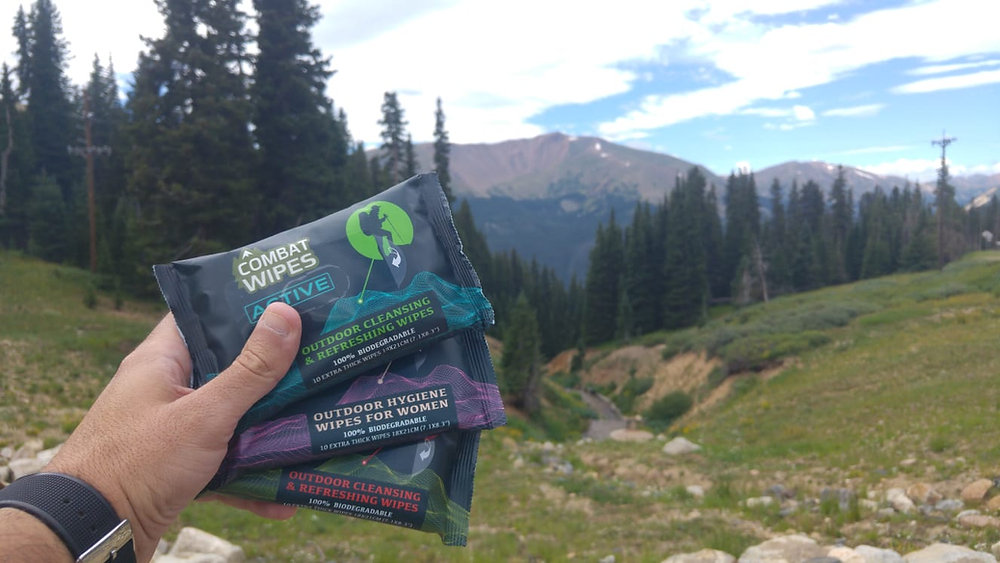
Packing effectively is crucial for maintaining personal hygiene. Essential items for hygiene during extended outdoor trips include lightweight, portable toiletries, such as soap, shampoo, conditioner, and biodegradable cleansers. These products help you stay clean while reducing the overall weight of your pack. Always pack a toothbrush, toothpaste, and dental floss. It is also important to have several changes of clothes in the pack, particularly moisture-wicking materials, to maintain hygiene and prevent discomfort. Pack in a dry bag or waterproof case, to help keep your toiletries safe. Consider reusable containers for toiletries and supplies to reduce waste. For instance, if you pack reusable containers for soap, your travel bag will be lighter.
Grooming and Personal Care Procedures
Maintaining Routine in Unconventional Settings
Maintaining a daily grooming routine, even in challenging circumstances, is important. This includes brushing your teeth twice a day, washing your face, and moisturizing your skin. Washing your hair, even if less frequently, and moisturizing it with appropriate solutions is also important. Make sure to clean your hands frequently with soap and water, or hand sanitizer, to prevent the spread of bacteria. Maintaining a consistent routine, as much as possible, can help you stay healthy and avoid discomfort, particularly during extended trips. Regular hygiene practices foster a positive mental state, contributing to overall well-being on expeditions.
Staying Clean in Different Environments
Adaptation and Hygiene in Various Settings
Different environments demand different hygiene approaches. In wooded areas, one must be extra cautious when using toilets or when disposing of waste to protect the environment. Avoid using toilet paper as a primary hygiene practice, to avoid waste accumulation and pollution of local ecosystems. Utilize biodegradable soap and cleaning supplies for cleaning. In areas with readily available water, utilize that to wash and clean yourself as often as possible. In some situations, you may need to improvise with available resources, such as using a small bowl and water to wash your face or brush your teeth. Adaptability in hygiene practices is vital for prolonged outdoor trips.
Addressing Specific Concerns
Addressing potential challenges
Some individuals may experience skin issues or other conditions during outdoor trips. When encountering these problems, utilizing suitable preventative measures and treating symptoms as needed is vital. If you develop a skin rash or other condition, seek professional medical assistance as soon as possible. This may involve seeking treatment from a local healthcare provider or following specific emergency protocols if access to medical facilities is limited. Packing an emergency first-aid kit, containing relevant medications and dressings, is important.
Waste Disposal for a Clean Environment
Maintaining Ecological Balance in Outdoor Settings
Responsible waste disposal is crucial for preserving the pristine nature you are enjoying. Follow Leave No Trace principles by packing out all trash and respecting local regulations concerning waste disposal. Improper waste disposal can harm the environment, impacting local ecosystems and the beauty of the outdoor areas you traverse. Proper waste disposal protects the natural environment and minimizes any negative impact of human activities.
Mental Well-being and Hygiene
Positive Mental Attitude and Well-being
Maintaining a positive mental attitude plays an important role in hygiene routines. Feeling refreshed and clean can contribute to overall well-being and mental fortitude in challenging outdoor environments. Having a strong mental attitude and self-care routine will help you adapt to new circumstances and situations, and manage stress more easily on long journeys.
Frequently Asked Questions
Q: What are the most critical hygiene supplies to carry on a long outdoor trip?
A: For a long outdoor trip, you need a range of supplies beyond basic toiletries. A lightweight, portable soap, biodegradable shampoo, and conditioner are essential. A toothbrush, toothpaste, and floss are crucial for oral hygiene. Sanitizing wipes, hand sanitizer, and reusable water bottles are important for maintaining hygiene. Remember to include insect repellent, sunscreen, and a first-aid kit. Also, include extra clothing and waterproof gear. In remote locations, consider water purification tablets and a water filter.
In conclusion, maintaining personal hygiene on extended outdoor trips demands meticulous planning and adaptability. By understanding the challenges, implementing effective strategies, and carrying essential supplies, you can navigate these excursions with confidence and maintain your well-being. Pack smart, stay informed, and enjoy your outdoor adventure! Remember to prioritize your hygiene to safeguard your health and happiness during your long outdoor trips. Visit our website for more tips on prepping for any outdoor excursion.