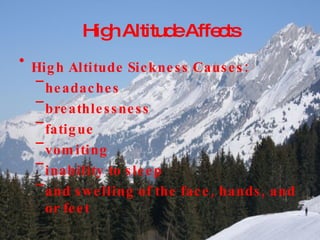
Altitude Adventure Anxiety: Battling Breathlessness in High-Altitude Destinations is a critical issue for those planning or embarking on high-altitude adventures. High-altitude destinations often come with the risk of altitude sickness which manifest as various symptoms like headaches and breathlessness. This article aims to equip you with the knowledge and strategies to alleviate altitude adventure anxiety and enjoy your high-altitude experiences to the fullest. We will explore the physiological responses to altitude, discuss preventative measures, and offer practical strategies for handling breathlessness while traveling to high-altitude locations. The structure of this article will include a detailed discussion of understanding altitude sickness, practical tips and techniques for high-altitude acclimatization, and effective methods for managing anxiety.
Understanding Altitude Sickness and Its Impact on Anxiety
Physiological Response to Altitude
High-altitude environments present a significant physiological challenge to the human body. At higher elevations, the reduced atmospheric pressure results in lower oxygen levels. This reduction in available oxygen can lead to a cascade of effects, from mild discomfort to severe illness, potentially affecting your travel plans and causing discomfort. Understanding this physiological response is crucial for combating altitude adventure anxiety. Studies show that a significant percentage of trekkers experience some level of altitude sickness, and the experience can be quite emotionally challenging for many.
Practical Tips and Techniques for High-Altitude Acclimatization
Gradual Ascent and Hydration
Acclimatizing to high altitudes is crucial for minimizing the risk of altitude sickness. A gradual ascent allows your body to adjust gradually to the lower oxygen levels. This approach helps avoid a sudden and severe impact on the body’s systems. Carry sufficient water and actively consume fluids. Dehydration can exacerbate symptoms, making it essential to maintain adequate hydration throughout your trek. Proper hydration is especially critical at high altitudes, as the body loses fluids more quickly due to increased respiration and sweating. Plan your travel schedule to incorporate gradual ascents, and carry plenty of water and electrolytes.
Effective Methods for Managing Anxiety
Mindfulness and Relaxation Techniques
Altitude adventure anxiety can be managed through mindfulness and relaxation techniques. Mindfulness exercises, deep breathing, and progressive muscle relaxation can help calm the nervous system and reduce anxiety levels. These techniques can help manage the physiological responses associated with anxiety, like rapid heartbeat and shallow breathing. Practice these techniques regularly to build resilience to anxiety.
Preventive Measures and Medications
Medications and Supplemental Oxygen
Various medications and supplemental oxygen can mitigate some of the symptoms associated with altitude sickness. Consult a doctor before starting any new medications or supplements, especially those interacting with existing conditions. In serious situations, supplemental oxygen might be needed to alleviate breathlessness and allow the body to acclimate more effectively. The use of specific medications for high-altitude sickness should only occur after careful consideration and consultation with a doctor.
Preparing for Unexpected Events
Emergency Plans and Contingencies
Prepare for possible scenarios at high-altitude destinations. Creating a detailed plan for emergencies, and having access to emergency services, can help manage any unexpected setbacks or challenges. This includes establishing a safety plan with emergency contacts and a detailed route plan. Understanding your limitations is key to preventing potential medical issues and mitigating unexpected anxiety-provoking events.
Experiences and Case Studies
Real-Life Stories of Altitude Adaptation
Numerous case studies demonstrate successful adaptation to high-altitude conditions. Incorporating feedback from those who’ve successfully navigated high-altitude environments, such as trekkers and mountaineers, can provide valuable insights. This includes understanding their strategies for coping with altitude sickness.
Nutrition and Diet Recommendations
High-Altitude Nutrition Strategies
Optimal nutrition plays a key role in managing altitude sickness. High-altitude environments require a specific nutritional approach, ensuring that the body receives the necessary energy and nutrients for acclimatization. Including foods rich in iron and electrolytes is important for maintaining overall health and physical well-being.
Conclusion
Summary of Strategies
By understanding the physiological responses, practicing preventive measures, and having a well-structured plan, you can significantly reduce your risk of experiencing altitude sickness, thereby alleviating altitude adventure anxiety. Planning is crucial for safety and to prevent emergencies. This includes establishing a safety plan with emergency contacts and a detailed route plan, especially for mountain treks.
Additional Support
Resources and Support Networks
Leverage the support networks available for trekkers, mountaineers, or high-altitude travelers. Several high-altitude adventure organizations offer crucial support and resources for those seeking to improve their understanding of this subject. These resources provide valuable information and support for travelers planning high-altitude treks or expeditions. Utilize these to alleviate any anxiety or concerns and make the most of your trip.
Frequently Asked Questions
What are the most common symptoms of altitude sickness?
In conclusion, Altitude Adventure Anxiety is a real concern for many travelers seeking high-altitude adventures. By understanding the physiological responses, practicing preventive measures, and having a well-structured plan, you can significantly reduce your risk of experiencing altitude sickness. Don’t let the fear of breathlessness keep you from exploring the breathtaking beauty of high-altitude destinations. Ready to conquer your altitude anxiety? Visit our website for comprehensive resources, tips, and training programs tailored to high-altitude adventures.