Annoying outdoor insects are a common summer challenge, impacting our enjoyment of outdoor activities. From the persistent buzz of mosquitoes to the painful stings of wasps, these insects can disrupt our relaxation and make outdoor living less enjoyable. This guide delves deep into identifying the culprits and provides concrete and practical solutions for dealing with these persistent pests. We will uncover effective strategies for battling bites, stings, and swarms—all the way to achieving a serene and insect-free outdoor experience. The following sections provide a breakdown of the causes, identification, prevention, and control measures for a variety of annoying insects.
Understanding Annoying Outdoor Insects
Insect Behavior and Attraction
Outdoor insects, from the irritating mosquito to the menacing wasp, are often drawn to certain environmental factors, particularly if conditions are ideal for their survival. Moisture, warmth, and decaying matter often act as magnets. For example, stagnant water is a prime breeding ground for mosquitoes, while decaying organic material, such as fallen fruits or vegetable scraps, can attract ants and other pests. Understanding these behaviors provides insight into why and where insects are congregating in your space.
Identifying the Culprits
Common Outdoor Insect Pests
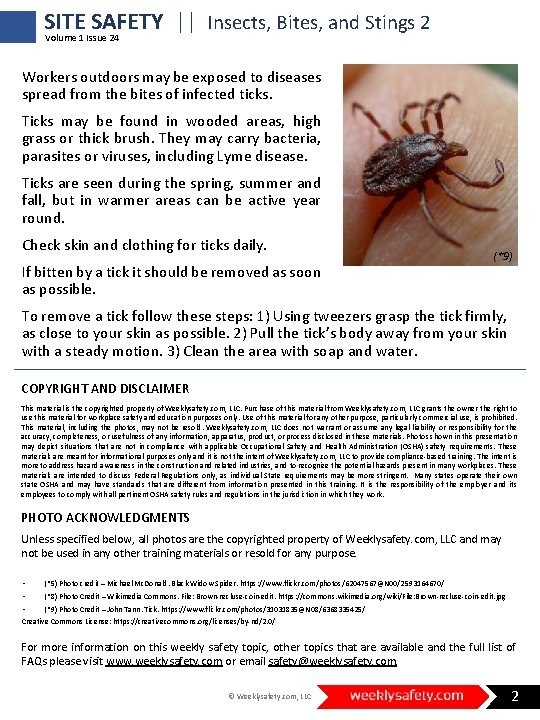
Many types of insects can disrupt outdoor activities. Some of the most common and problematic include mosquitoes, wasps, hornets, ants, bees, and beetles. Understanding their unique characteristics can determine the most effective treatment method. Mosquitoes are easily recognized by their thin bodies and wings, while wasps and hornets often build nests and display a menacing presence. Identifying the type of insect can help in determining the best approach to eliminating or discouraging them.
Prevention Strategies
Creating an Insect-Unfriendly Environment
Creating an environment that discourages pests is essential in the long run. Eliminate standing water by regularly emptying containers, flowerpots, and pet bowls. Keep your yard clean and remove any debris, rotting vegetables, or other organic materials that can attract insects. Use screens on windows and doors to prevent unwanted entry. Planting fragrant herbs around your home, like lavender or mint, can create a barrier that insects often find unpleasant.
Control Measures
Effective Methods for Pest Elimination
Beyond prevention, direct control measures are crucial when insects are already present. The method you choose depends entirely on the insect species and its activity level. For mosquitoes, consider using mosquito traps or sprays containing DEET or other repellents. For wasps and hornets, try using traps or contact insecticides, being extremely careful when dealing with nests. Always follow product instructions carefully when using any chemical insecticide. For ants, bait stations or targeted sprays can be effective. Furthermore, you can explore natural methods, such as using baking soda or diatomaceous earth.
Avoiding Bites and Stings
Protecting Yourself from Insect Harassment
Protective clothing can act as a significant barrier against insect attacks. Wear long sleeves and pants, especially during dawn and dusk when insects are most active. Applying insect repellent containing DEET or other safe and effective ingredients to exposed skin can help deter insects. Being aware of your surroundings is also crucial—avoid areas with dense vegetation or standing water, and keep an eye out for nests.
Case Studies
Success Stories in Insect Management
Real-world case studies demonstrate the effectiveness of various approaches to insect management. For example, in one community, the installation of mosquito traps and the removal of standing water led to a noticeable decrease in mosquito populations. Similarly, using natural repellents in gardens showed promising results in reducing the presence of specific pests.
Statistical Insights
Insect Prevalence and Impact
According to the Centers for Disease Control and Prevention (CDC), mosquito-borne illnesses remain a significant public health concern. This highlights the critical need for prevention and control strategies to minimize the spread of disease. Understanding insect populations and their potential impact on health can inform the adoption of targeted prevention measures.
Additional Tips
Advanced Strategies for Effective Pest Management
Professional pest control services can provide expertise and targeted solutions. Furthermore, awareness campaigns and public education play a critical role in reducing the spread of insects and promoting preventative practices. Educating yourself about the specific habits and behaviours of these insects will allow you to take informed decisions on the most appropriate response.
FAQs on Annoying Outdoors Insects:
How can I identify the type of insect causing the problem?
Identifying the specific insect species is vital for tailored treatment strategies. Look for distinguishing features like size, color, wings, antennae, and body shape. Use online resources or field guides to compare these features to known species. Also, pay attention to the time of day when the insects are most active—some insects are active during the day, while others are more prevalent at night. This observation can greatly assist in identifying the species causing the issue, and tailoring your approach accordingly.
What are some natural repellent methods?
Natural repellents offer a gentler approach to insect control. Plantings of certain herbs like mint and lavender can act as natural repellents due to their strong scents, which many insects find unpleasant. Consider using essential oils like citronella, peppermint, or eucalyptus, either by diffusing them or applying them topically to areas prone to insect infestations. Strategic planting of these herbs and trees can create a natural barrier to insect activity. Another aspect is keeping your yard clean and tidy, as insects are often attracted to areas with abundant food sources and hiding spots.
Annoying outdoor insects can significantly impact quality of life, leading to discomfort, and in some cases, illness. Understanding their behaviors, identifying common species, and employing effective prevention and control measures are crucial steps toward reclaiming outdoor enjoyment. By taking a proactive approach to pest management, and adopting the strategies mentioned throughout this guide, you can significantly minimize the impacts of annoying insects, ensuring pleasant outdoor experiences. For continued support, refer to reliable sources, and consult with local pest control professionals for personalized advice.