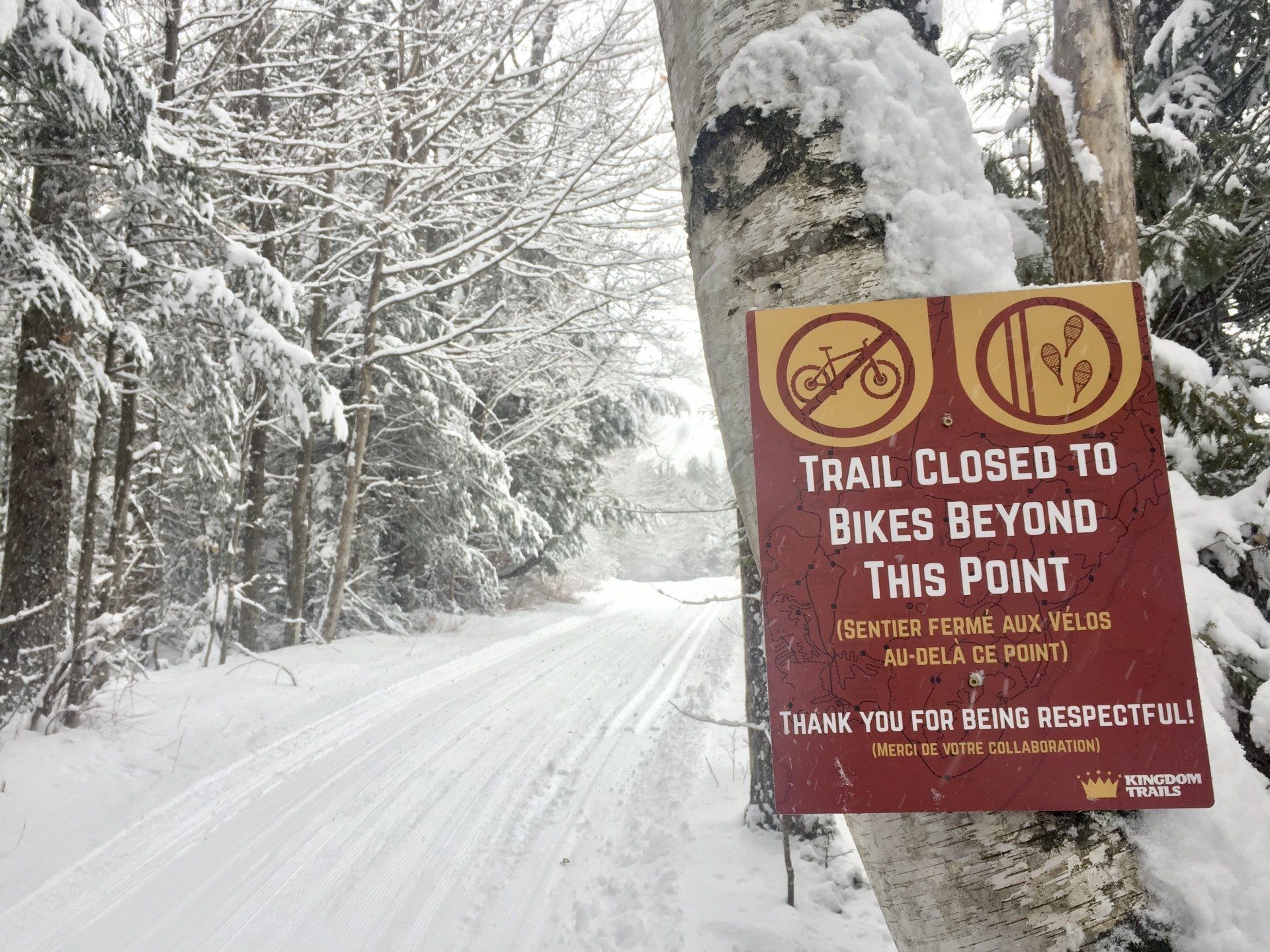
Unexpected trail closures due to weather or hazards are a common reality for hikers. These unpredictable situations can disrupt planned trips, leaving hikers stranded or facing potential safety issues. This comprehensive guide provides a roadmap to navigating unexpected trail closures. We will delve into the causes of these closures, offer safety tips and alternative route strategies, and empower you to prepare for such situations. This article covers everything from understanding the signs of potential hazards to practical steps for planning alternative routes. We will explore several common hazards, including weather-related closures and natural disasters, and provide actionable steps for making informed decisions in the face of unexpected challenges.
Understanding Unexpected Trail Closures
Causes of Trail Closures
Trail closures due to weather or natural hazards can be unexpected and disruptive. From flash floods to fallen trees, these hazards make trails unsafe for hikers. Weather-related closures often result from torrential rains, heavy snowfalls, extreme temperatures, and strong winds. Natural disasters such as landslides, mudslides, and earthquakes can also cause sudden and significant trail closures. Proper planning and awareness of trail conditions are crucial for hiking enthusiasts.
Assessing Trail Conditions Before You Hike
Researching Trail Reports
Thorough research into trail conditions before you embark on your hike is critical. Utilize reliable resources like online trail reports, local park websites, and social media groups. These sources frequently provide updates on recent weather events, potential hazards, and reported trail closures or changes. Checking trail maps can also provide a clearer picture of potential obstacles. This detailed research gives you a realistic idea of the trail’s present status.
Planning Alternative Routes
Identifying Backup Routes
Knowing alternative routes can help ensure you have options if your initial planned trail closes. Mapping out alternative routes or paths that are still accessible allows you to adjust your itinerary in case of emergencies. Contact local parks or trail authorities for directions and information about alternative trails. This preparation significantly reduces stress and allows you to maintain a safe and enjoyable hiking experience.
Staying Informed During Your Hike
Monitoring Weather Conditions
Staying updated on weather conditions during your hike is vital. Use weather apps, radios, or other sources to stay informed about changing conditions. This helps you anticipate potential hazards and adapt your plans accordingly. The more informed you are about weather conditions, the more effective your safety planning is.
Safety Precautions for Unexpected Closures
Packing Essential Equipment
Packing the proper safety equipment is key to dealing with unexpected trail closures or hazards. A well-stocked first-aid kit, plenty of water, and non-perishable food supplies are vital. A fully charged cell phone or power bank, a map and compass (or GPS device), and a whistle are also recommended. This is crucial for signaling for help or navigating unfamiliar terrain. Knowing how to use this equipment is also helpful.
Utilizing Resources for Support
Contacting Local Authorities
It is critical to have emergency contact information like the local park rangers or a designated emergency response team on hand. This is helpful if you encounter a difficult situation. Local park rangers can provide updates about trail conditions, alternative routes, or any other pertinent information. Having this contact information can increase your safety measures on the trails.
Adapting Your Itinerary
Managing Trail Disruptions
The ability to adjust your itinerary is key to managing trail disruptions. If a trail closes due to unforeseen circumstances, flexibility and willingness to adapt are essential. Be prepared to explore alternative routes or consider postponing your hike if the conditions are deemed unsafe. This adaptability plays a vital role in making informed decisions on the trail.
Contingency Planning for Hikers
Creating a Backup Plan
Creating a contingency plan is a crucial step in preparing for unexpected trail closures due to weather or hazards. This plan should incorporate multiple alternative routes, contact information, and emergency plans. A well-defined backup plan will increase your flexibility and resilience while minimizing risks.
Communicating with Others
Notifying Others About Plans
Communicating your hiking plans with someone you trust is important. Let someone know your planned route, estimated return time, and potential contact information. This proactive approach allows for rapid response and notification of your loved ones if needed, ensuring accountability and peace of mind for everyone involved.
Frequently Asked Questions
What should I do if I encounter a trail closure due to a weather emergency?
Check the local park website or call the park rangers for official updates regarding the closure. If you’re already on the trail and encounter the closure, consider turning back if it’s safe to do so, prioritizing safety. Seek out alternative routes or trails, or contact local park authorities for directions. Be mindful of any potential hazards, such as flooding or fallen trees. Contact your loved ones to inform them of your situation if needed.
What are the best practices for staying informed about trail conditions before hiking?
Before embarking on any hike, it’s essential to research trail conditions, which includes checking weather forecasts, possible hazards like flooding, or recent news reports. Consult reliable sources like local parks websites, trail apps or social media groups. Be aware of any recent closures, detours, or changes in trail conditions. Being informed significantly helps in assessing risks and planning a safer hike.
What safety equipment is crucial to have when hiking?
A first aid kit, plenty of water, a map and compass (or GPS device), extra food, a fully charged phone and power bank, and a whistle are crucial for any trail experience. You should also be aware of any potential dangers like wildlife and notify someone about your hiking plans and expected return time.
What if the trail closure is due to a natural hazard, like a landslide?
If a trail closure is due to a natural hazard like a landslide, it’s critical to heed the warning signs and closures. Do not attempt to cross or go through any areas that are marked off or closed. Follow official guidelines and listen to park rangers or authorities. The safety of yourself and others should always come first.
In conclusion, dealing with unexpected trail closures due to weather or hazards requires preparedness, flexibility, and a good understanding of trail conditions and local regulations. By following these guidelines and staying informed, hikers can enjoy their adventures while minimizing risks and ensuring their safety and enjoyment. Remember to check trail conditions before heading out and be prepared for changes in weather or trail closures. Stay safe, and happy trails! Contact local park rangers or trail authorities for detailed information about closures and alternative routes.