Protecting electronics in the rugged outdoors is a multifaceted challenge, demanding a deep understanding of environmental conditions and appropriate protective measures. From harsh weather to extreme temperatures, electronic equipment faces various threats in outdoor environments. This comprehensive guide delves into the complexities of protecting delicate electronics in the great outdoors, providing practical strategies and insights for ensuring equipment reliability and longevity. The guide will explore various factors contributing to electronic damage, and will explain effective solutions that readers can implement immediately. This comprehensive guide will cover several topics. First, it will outline the types of environmental hazards that electronics face in the great outdoors. Second, it will introduce a range of protective solutions. Third, it will offer practical advice for selecting the best protection methods for specific outdoor environments. Finally, it concludes with advice on avoiding common mistakes to ensure equipment longevity and durability.
Environmental Threats to Outdoor Electronics
Extreme Temperatures
Outdoor environments can experience drastic temperature fluctuations. Prolonged exposure to extreme heat can damage components through thermal stress, while freezing temperatures can lead to condensation, short circuits and electrical failures. These issues are particularly critical for sensitive components. For example, in high-altitude environments, temperatures can drop to below freezing even during the day. This can affect battery life and cause components to malfunction.
Moisture and Humidity
Moisture is a major concern for electronics in the outdoors. Rain, snow, dew, and high humidity levels can all contribute to moisture ingress, leading to corrosion, short circuits, and other electrical problems. The effects of moisture are even more pronounced in regions with high humidity.
Mechanical Shock and Vibration
Electronics are susceptible to damage from mechanical stress. Rough terrain, vibrations, and accidental drops can cause physical damage, leading to malfunctions and breakdowns. Outdoor activities that involve rugged terrains are prone to this kind of mechanical shock and impact.
Dust and Debris
Outdoor environments are often filled with dust, dirt, and other debris that can clog components, affecting their performance or completely preventing operation. Even fine dust particles can accumulate over time, negatively impacting the lifespan of critical components. Furthermore, strong winds can exacerbate this problem.
Protective Measures for Outdoor Electronics
Weatherproof Cases and Enclosures
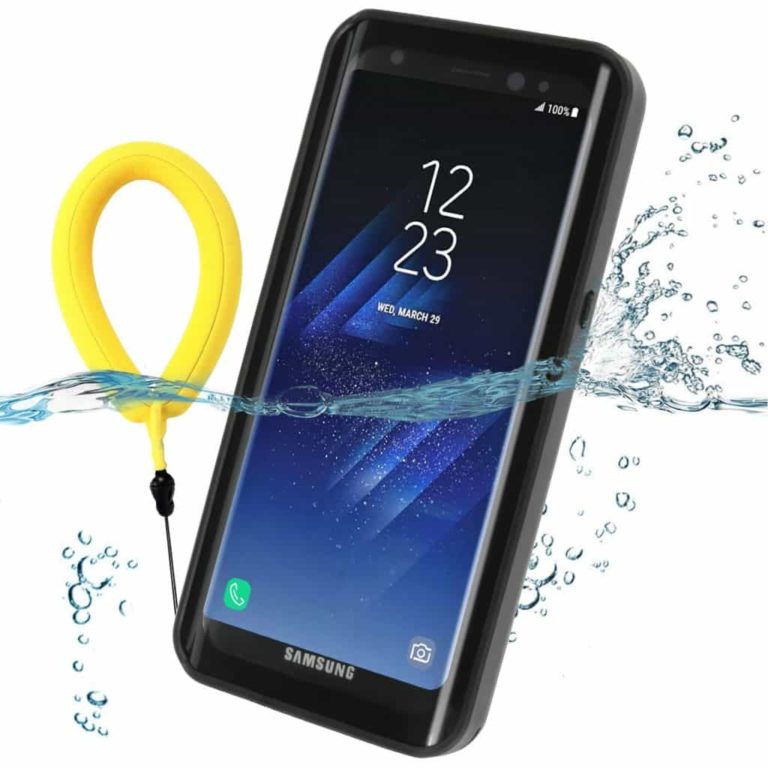
High-quality, weatherproof cases and enclosures are essential for safeguarding electronics in challenging environments. These specialized enclosures can effectively protect electronics from moisture, dust, and debris, ensuring long-term functionality. For example, waterproof phone cases are specifically designed for environments with high moisture content or water submersion.
Shock-Absorbent Materials and Cushioning
Using shock-absorbent materials and cushioning within cases is a good method to reduce the risk of damage due to mechanical stress. Packing and transporting delicate equipment in shock-absorbing materials helps to mitigate risks during transport and while undertaking outdoor activities.
Humidity and Moisture Barriers
Moisture barriers like desiccant packs and humidity-proof bags can effectively mitigate the damaging effects of moisture, preserving the function of equipment. These are often used in conjunction with weatherproof cases and enclosures to provide a secondary layer of protection.
Thermal Management Solutions
Thermal management solutions are crucial in maintaining ideal operating temperatures for electronics. Fans, heat sinks, and cooling gels can effectively dissipate heat, thereby safeguarding components from overheating. This is especially important in hot climates, where excessive heat can damage electronic components.
Selecting the Right Protection for Specific Environments
Hiking and Trekking
For hiking and trekking, lightweight, compact, and shock-resistant cases are essential. These cases can be essential to ensure durability during high-impact hiking and trekking activities.
Camping and Outdoor Recreation
Waterproof cases and enclosures are vital for camping and outdoor recreation activities. Protecting against moisture and other environmental hazards is an important part of maintaining equipment function in these conditions.
Extreme Environments
For extreme environments, highly specialized protective gear and enclosures are necessary to safeguard equipment. These specialized enclosures are often designed for harsh conditions and designed with the specific environmental hazards in mind.
Considerations for specific environments.
For instance, electronics used in boating need waterproofing and shock-resistance, whereas electronics in mountaineering need to withstand cold and high altitude conditions.
Common Mistakes to Avoid
Neglecting Pre-Trip Preparations
Thoroughly inspecting and preparing electronics before embarking on an outdoor adventure can prevent many potential issues. Ensure that all cables, connectors, and power supplies are properly secured, and that equipment is appropriately packed and protected.
Inadequate Protection for Specific Environments
Choosing inadequate protective measures for the specific environment can compromise the equipment. It is critical to consider the specific conditions and choose protective measures that offer the right level of protection.
Ignoring Warning Signs
Paying close attention to warning signs of potential damage or malfunction is crucial. Addressing issues promptly is necessary to avoid long-term damage and prevent potential system failures.
Case Studies and Real-World Examples
Protecting Cameras in the Wild
Protecting cameras during wildlife expeditions and photography endeavors requires careful consideration. Waterproof cases and shock-resistant materials can be necessary to ensure equipment longevity.
Preventing Smartphone Damage During Outdoor Activities
Protecting smartphones during outdoor adventures and activities demands waterproofing to protect devices from moisture.
Protecting electronics in the rugged outdoors presents a significant challenge. Careful consideration of environmental factors, proper protective measures, and robust design choices are crucial for ensuring equipment longevity and reliability. The key takeaway is to prioritize preventative measures over reactive solutions. Investing in high-quality, weatherproof electronics, or cases that offer an added layer of protection is an investment in the long run and an important part of protecting delicate electronics. For further guidance on specific protection methods tailored to different environments, consult our comprehensive guides on outdoor electronics protection. Don’t hesitate to contact us with any questions or concerns you may have.