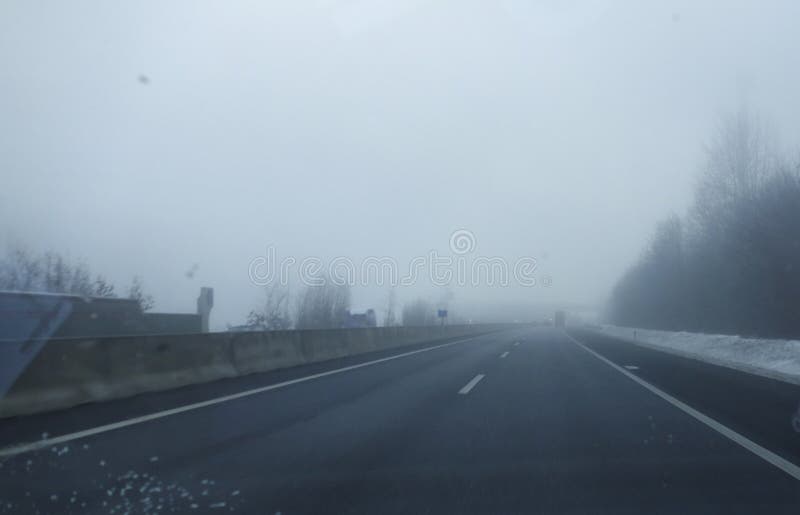
The disappointment of poor views due to fog or smoke in the outdoors is a common experience that can significantly impact the enjoyment of outdoor activities. This article explores the causes and provides practical solutions to enhance outdoor experiences. We will delve into various atmospheric conditions, identify the factors responsible for limited visibility, discuss the potential impacts on outdoor excursions, and explore how to mitigate these issues. This article will outline the structural components of improving visibility, enabling better planning for outdoor excursions.
Understanding the Causes of Reduced Visibility
Atmospheric Conditions and Their Role
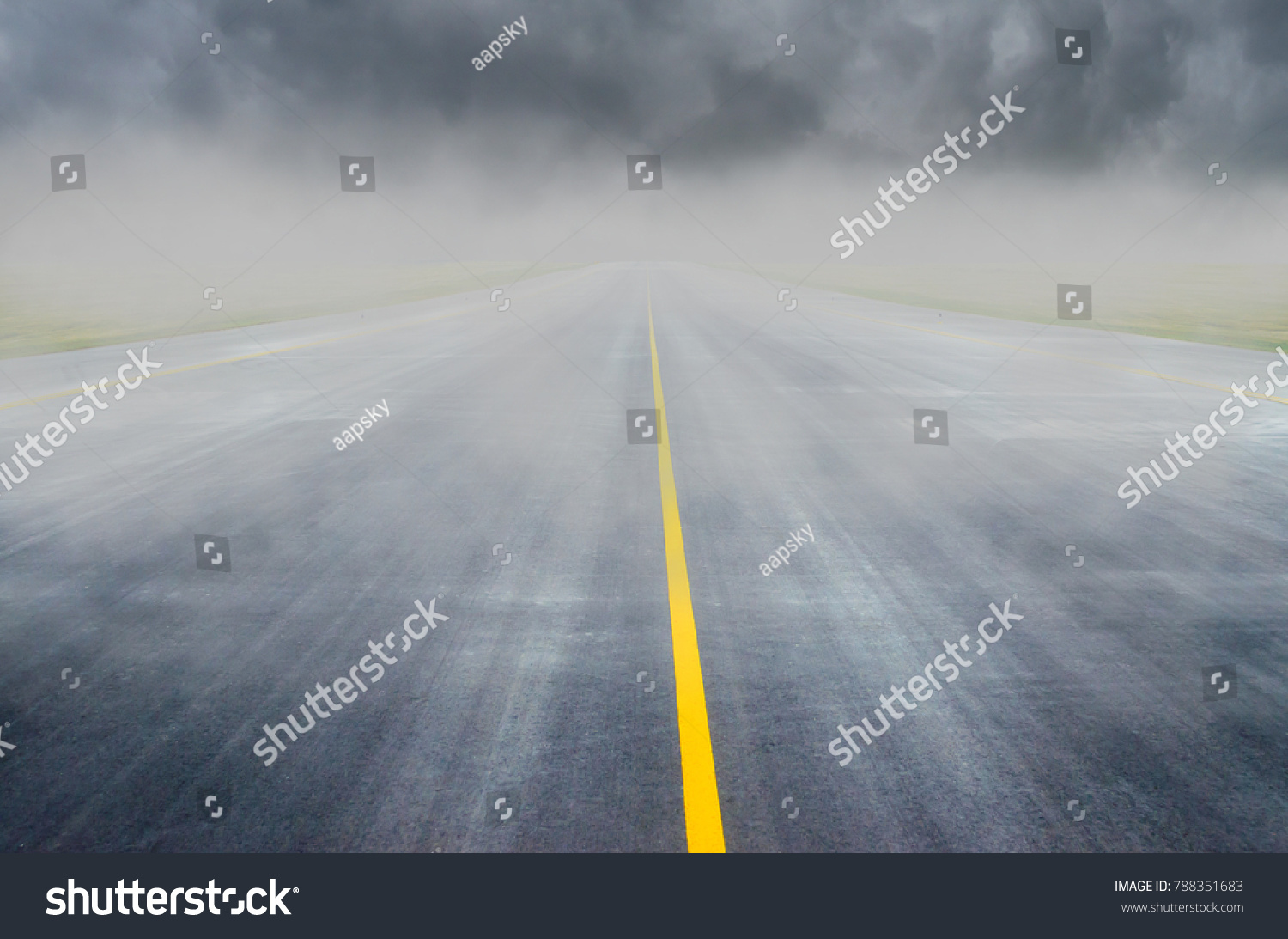
Atmospheric conditions play a crucial role in determining visibility. Fog, a cloud at ground level, forms when air cools and water vapor condenses. Temperature inversions, where warm air sits atop cooler air, trap pollutants and create hazy conditions. Humidity levels influence the amount of moisture in the air, directly affecting the potential for fog formation. Understanding these conditions helps predict potential issues with visibility and allows adjustments in outdoor plans.
Industrial Emissions and Wildfires
Industrial emissions and wildfires often contribute significantly to poor visibility. Factories, power plants, and other industrial sources release pollutants into the atmosphere. These particles scatter sunlight and diminish visibility, often causing haze. Wildfires, another source of airborne particles, release substantial amounts of smoke into the surrounding environment, reducing visibility significantly. Air quality monitoring is crucial to assess potential impact.
Impacts on Outdoor Activities
Reduced Enjoyment and Frustration
Reduced visibility due to fog or smoke can dramatically diminish the enjoyment of outdoor activities, turning a planned trip into a disappointing experience. Tourists expecting breathtaking views or outdoor enthusiasts eager to immerse themselves in nature often face frustrating experiences due to obscured landscapes, limiting the intended opportunities. Reduced visibility can affect the safety of activities requiring precise vision like hiking or biking.
Disruption of Outdoor Events
Large-scale outdoor events, such as concerts, festivals, or sporting competitions, are heavily influenced by visibility. Poor weather conditions, especially fog or heavy smoke, can significantly disrupt outdoor events. Organizers need to have contingency plans in place to mitigate the negative effects of reduced visibility on event attendance or participation.
Planning for Better Visibility
Utilizing Weather Forecasts
Weather forecasts are a crucial tool in planning outdoor excursions. By monitoring weather patterns, including temperature inversions, humidity levels, and atmospheric pressure, individuals can prepare for potential visibility issues. Regular updates on potential fog or smoke formation can allow for necessary adjustments or replacements in outdoor plans.
Utilizing Air Quality Reports
Along with weather forecasts, air quality reports provide essential information about the presence of pollutants and smoke. These reports often highlight areas with higher levels of pollution, allowing individuals to make more informed decisions about choosing locations. Checking air quality indexes before heading out can help ensure a better outdoor experience.
Mitigation Strategies
Rescheduling Activities
Rescheduling activities is a simple yet effective strategy for mitigating the impacts of poor visibility. If a weather forecast predicts limited visibility, postponing or rescheduling outdoor activities can ensure a pleasant and safe experience. Alternative dates and locations can be considered.
Choosing Alternative Locations
Choosing alternative locations that are less susceptible to fog or smoke can minimize the disappointment of poor views. Researching areas less prone to these conditions and examining real-time reports can help. This option helps maximize the chances of enjoying a clear view.
Conclusion
Practical Tips for Outdoor Activities
Prevention Measures
Choosing the Right Equipment
Long-term Solutions for Reduced Visibility
Frequently Asked Questions
What are the primary causes of poor views due to fog or smoke?
Poor visibility due to fog or smoke in outdoor settings often stems from atmospheric conditions influenced by weather patterns, industrial emissions, and wildfires. High humidity, low temperatures, and atmospheric pressure changes can create fog, while industrial pollutants and wildfires release smoke particles into the air. These particles scatter and absorb light, resulting in reduced visibility. Understanding the interplay of these factors helps predict and prepare for such conditions.
How can I minimize the negative impacts of fog or smoke on my outdoor experience?
To minimize the negative impact of fog or smoke on your outdoor experience, it’s essential to monitor weather forecasts closely, especially those that predict potential low visibility. If possible, reschedule outdoor activities for times with better atmospheric conditions. Consider carrying weather apps to monitor real-time air quality reports. Be aware of smoke alerts and air quality advisories. Choosing less impacted areas can help too. Also, bring essential supplies for protection or activities and consider alternative indoor activities.
What are some practical tips for planning outdoor excursions to mitigate the risk of poor visibility due to fog or smoke?
When planning outdoor excursions, it’s crucial to consider the potential for poor visibility due to fog or smoke. Check weather forecasts and air quality reports regularly. Consider alternative dates or locations if visibility is predicted to be poor. Pack appropriate clothing, including layers for potential temperature changes. Also, pack rain gear, as fog can often lead to unexpected precipitation. Lastly, inform someone of your itinerary, including the expected return time.
How can I prepare for reduced visibility caused by fog or smoke in different environments?
Preparing for reduced visibility in different environments requires careful consideration of the potential hazards and necessary precautions. In mountainous regions, fog can settle in valleys, significantly impacting views. Urban areas may face reduced visibility due to industrial pollutants or wildfires in neighboring regions. Coastal areas can experience fog related to air temperature and sea conditions. Understanding local weather patterns and potential sources of air pollution will help you make informed decisions for outdoor activities in such environments. You need to assess the specific hazards and prepare for them with suitable precautions and alternatives.
In conclusion, experiencing disappointing views due to fog or smoke in outdoor settings can significantly impact the enjoyment of outdoor activities. Understanding the causes, recognizing the symptoms, and employing strategies to mitigate these environmental factors are crucial. By making informed decisions and taking preventive measures, individuals can enhance their outdoor experiences and ensure more pleasant and unobstructed views. Learn more about outdoor activities and how to plan for optimal viewing conditions by visiting our blog. We hope this article helps you plan your next outdoor adventure!