The discomfort of damp or wet outdoor gear is a common problem for adventurers and outdoor enthusiasts. From the chill of damp hiking boots to the heavy weight of soaking wet backpacks, dealing with moisture can significantly detract from the enjoyment of outdoor activities. Understanding how to prevent and handle wet gear is critical for a comfortable and successful outdoor experience. This comprehensive guide will delve into the causes, prevention, and solutions for dealing with damp or wet outdoor gear, ensuring you stay dry and prepared for any weather condition. This guide will cover various aspects including gear selection, packing techniques, storage and maintenance, and swift recovery procedures in case of unexpected exposure to water. Let’s dive in!
Understanding the Causes of Dampness in Outdoor Gear
Common Sources of Moisture
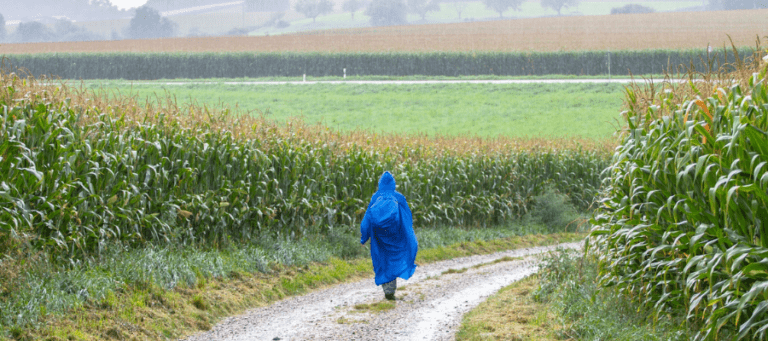
Damp or wet gear is often a direct consequence of exposure to moisture-laden environments. Rain, dew, and excessive humidity are obvious culprits. However, hidden sources can also contribute. Condensation within your gear, particularly in backpacks or sleeping bags, can result from temperature fluctuations or inadequate ventilation. Consider using a waterproof backpack cover to protect your gear from the elements, particularly when hiking in rainy or humid conditions. Another significant factor is the gear itself. Porous materials, especially those made from natural fibers, are more susceptible to absorbing moisture and maintaining dampness for a longer period.
Choosing the Right Gear
Making the right gear choices can dramatically reduce the risk of encountering damp or wet conditions. Moisture-wicking fabrics in clothing and gear designed with excellent ventilation can limit the potential for accumulating moisture. When choosing your gear, prioritize fabrics known for their water resistance or waterproof properties. Look for gear with sealed seams and waterproof coatings to effectively shield your equipment from the elements.
Preventing Dampness in Your Outdoor Gear
Pre-Trip Preparation
Before embarking on any outdoor adventure, rigorous pre-trip preparation is vital. Ensure your gear is thoroughly dry, especially items like tents, sleeping bags, and clothing. Storing damp gear can result in mold and mildew, ruining the equipment. Proper drying and storing are crucial aspects of outdoor gear maintenance. If you foresee potential rain or damp conditions, use waterproof covers for items like backpacks and tents. Having a waterproof and breathable jacket or shell jacket on hand is a smart idea.
Handling Wet Gear Effectively
Immediate Actions for Wet Gear
Upon encountering wet gear, swift action is critical to minimize further damage. Immediately remove any wet gear from direct contact with other items to prevent the spread of moisture. Use waterproof bags to keep gear isolated while it dries. Direct contact with other gear and moisture is a major contributor to the spread of dampness throughout your entire kit.
Drying Techniques
Numerous drying techniques can be applied to your wet gear, based on the material and the severity of the moisture. For smaller items like socks or gloves, consider using a towel to absorb excess moisture, followed by natural air drying. For larger items like tents or sleeping bags, consider using a combination of natural air drying and specialized drying equipment such as a gear dryer. Hanging your gear to dry in a well-ventilated area is ideal. Always prioritize proper drying to prevent mildew growth and damage to your equipment. Avoid using direct heat or high temperatures, as this can compromise the integrity of the materials.
Maintaining Dry Gear
Storage and Organization
Proper storage and organization are critical elements in preventing dampness in outdoor gear. Store your gear in a dry and well-ventilated location. Use specialized gear bags and storage containers to keep your gear isolated from moisture. When packing your gear for storage, use silica gel packets or desiccant bags to maintain dryness.
Choosing the Right Gear for Different Conditions
Waterproof Gear Options
Investing in quality waterproof gear is an investment in comfort and safety. Look for waterproof clothing and gear that are durable and breathable. Consider the specific activities or climates you expect to experience when selecting waterproof gear. The type of fabric used and any additional weatherproofing measures will be a strong factor in determining how water resistant the gear will be.
Considerations for Specific Activities
Different outdoor activities may require specific gear and protective measures against moisture. For example, mountaineering gear typically requires more advanced waterproofing than for a day hike.
Advanced Techniques for Staying Dry
Using Moisture-Wicking Materials
Moisture-wicking materials are essential for preventing moisture build-up. These fabrics draw moisture away from your skin, keeping you dry and comfortable. Choosing clothing and gear made with these moisture-wicking materials will greatly aid in maintaining a comfortable temperature and preventing excessive moisture build-up.
Advanced Techniques for Staying Dry
Advanced Packing Strategies
Advanced packing strategies can maximize the efficiency of your gear and help keep it dry. Strategically arranging layers of clothing and gear can create airflow and promote quick drying of damp materials.
Advanced Techniques for Staying Dry
Addressing Moisture-Wicking Materials
Understanding the material properties of your clothing and gear is vital for effective moisture management. Choosing clothing and gear made with proper moisture-wicking materials is essential for keeping moisture away from the skin and preventing discomfort and damage to gear and materials.
Advanced Techniques for Staying Dry
Maintaining Proper Ventilation
Proper ventilation for gear and clothing is a key part of preventing moisture build-up. Choosing the proper gear, storing it effectively, and considering proper ventilation will aid in maintaining dry outdoor gear, making it easy and comfortable to enjoy all outdoor activities. The proper care of your gear can extend its lifespan greatly, making your outdoor adventures more enjoyable and ensuring the preservation of your equipment.
Examples of Ventilation Practices
When storing gear, consider using ventilation methods such as using a breathable cover or placing gear in a dry and well-ventilated location. Air circulation and proper drying methods can significantly reduce the moisture in gear and aid in proper preservation and care for your items. Consider your specific activities when utilizing appropriate ventilation practices for the best possible experience and gear preservation.
Consider these simple steps for optimizing gear for optimal moisture control: using waterproof covers for backpacks and tents, choosing moisture-wicking materials for clothing, and storing gear in a dry and well-ventilated location.
Applying Proper Drying Techniques
Implementing the proper drying techniques is critical for maintaining optimal gear care. When using drying techniques, consider using natural air drying techniques such as hanging gear in a well-ventilated location and avoiding using direct heat or high temperatures that may cause damage to the equipment.
Considering Gear Selection for Different Activities
Consider the specific activities or climates you expect to experience when selecting waterproof gear. The type of fabric used and any additional weatherproofing measures will greatly impact the water resistance of the gear, improving your safety and comfort in a variety of conditions and climates.
How to Prevent Mold and Mildew
Moisture is a significant contributor to the development of mold and mildew growth. Always ensure that wet gear is thoroughly dried in a well-ventilated area to prevent mold and mildew from developing. Proper drying and storage procedures, utilizing silica gel or desiccant packets when storing gear, will further aid in moisture prevention and equipment longevity and will maintain the lifespan of outdoor gear.
Practical Examples of Moisture Control
Practical examples of moisture control include wearing moisture-wicking clothing to prevent sweating in wet conditions and ensuring that your outdoor gear is properly ventilated to prevent condensation. Utilize this advice when preparing for outdoor activities in potentially wet or damp conditions for better gear care and preservation.
Frequently Asked Questions
What are the most common reasons for damp or wet gear?
Outdoor gear can become damp or wet due to a combination of factors, including rain, dew, humidity, and exposure to moisture in the environment. Poorly designed or maintained gear, inadequate storage practices, and simply spending time in wet conditions all contribute to the problem. Proper gear selection and maintenance are key to avoiding unwanted moisture.
In conclusion, staying dry in damp or wet outdoor gear is a crucial aspect of enjoying outdoor activities. Understanding the causes of dampness, adopting preventive measures, and knowing how to handle wet gear effectively can significantly enhance your outdoor experience. By implementing the tips and strategies discussed in this article, you can mitigate the discomfort and enjoy your adventures to the fullest. Now, go explore! Learn more about outdoor gear care by visiting our website or checking out our blog.