Visa Guides: The Impact of Recent Travel History on Your Visa Application.
Your recent travel history plays a significant role in your visa application. A seemingly simple trip can significantly impact your chances of visa approval. Understanding the nuances of how different types of travel are viewed is essential for a successful visa outcome. This article will explore how your recent travel history affects your visa application and highlight crucial aspects of maintaining a consistent and credible travel history, ultimately increasing your chances of a positive outcome. This guide covers everything from simple tourism to extended stays and will provide practical steps you can take to prepare your application.
This comprehensive guide delves into the connection between your past travels and your current visa application. We’ll examine what aspects of your travel history are considered, provide examples of positive and negative travel history situations, and share tips on how to present a strong case for your visa application.
Understanding the Significance of Travel History
The Role of Transparency and Honesty
Visa officers carefully examine your travel history during your visa application. Inconsistencies or lack of transparency regarding your past trips can raise red flags. A history that doesn’t align with the stated purpose of your visa application can lead to delays or outright rejection. Transparency is key. Presenting a clear and accurate account of your travels enhances your credibility and increases the chances of a positive outcome. Your recent travel history must present a consistent and logical narrative in your application.
Different Types of Travel
Not all travel histories are created equal, and different travel patterns have varying implications for your visa application. A short trip for leisure might differ from an extended stay for work or studies. Your recent travel history might include extended stays in multiple countries, visits to countries with political complexities, participation in activities deemed unusual, or visits that seem inconsistent with the purpose of your visa application. It’s crucial to comprehend how each type of travel might be assessed by the visa officer.
Common Pitfalls and Challenges
One common pitfall involves discrepancies between your stated purpose of travel and your actual travel history. Travel that seems inconsistent with the purpose of your application can raise concerns for visa officers. These concerns can include extended stays, unexpected travel patterns, or frequent changes of travel plans. Another challenge involves the lack of proper documentation. This can compromise the credibility of your application.
Assessing Travel History
Historical Travel Patterns
Visa officers analyze your travel patterns and destinations. A consistent and logical narrative is essential. If your travel history suggests a different lifestyle than what you’re describing, it can negatively affect your application. Examples of concerns for visa officers might include unusual travel durations or frequent changes of plans. Frequent travel to countries with visa restrictions or involvement in activities considered unusual can also be problematic. A detailed and coherent travel history is vital for establishing the validity of your application.
Visa Officer’s Assessment
The visa officer thoroughly scrutinizes all provided documentation to check if it aligns with the information in your application. They look for patterns, destinations, and durations of stays. If there are inconsistencies or a lack of transparency, it can significantly impact your chances of approval. Examples include extended stays compared to the purpose of your visit. If this occurs, you must thoroughly justify your reason for visiting the countries.
Documentation Requirements
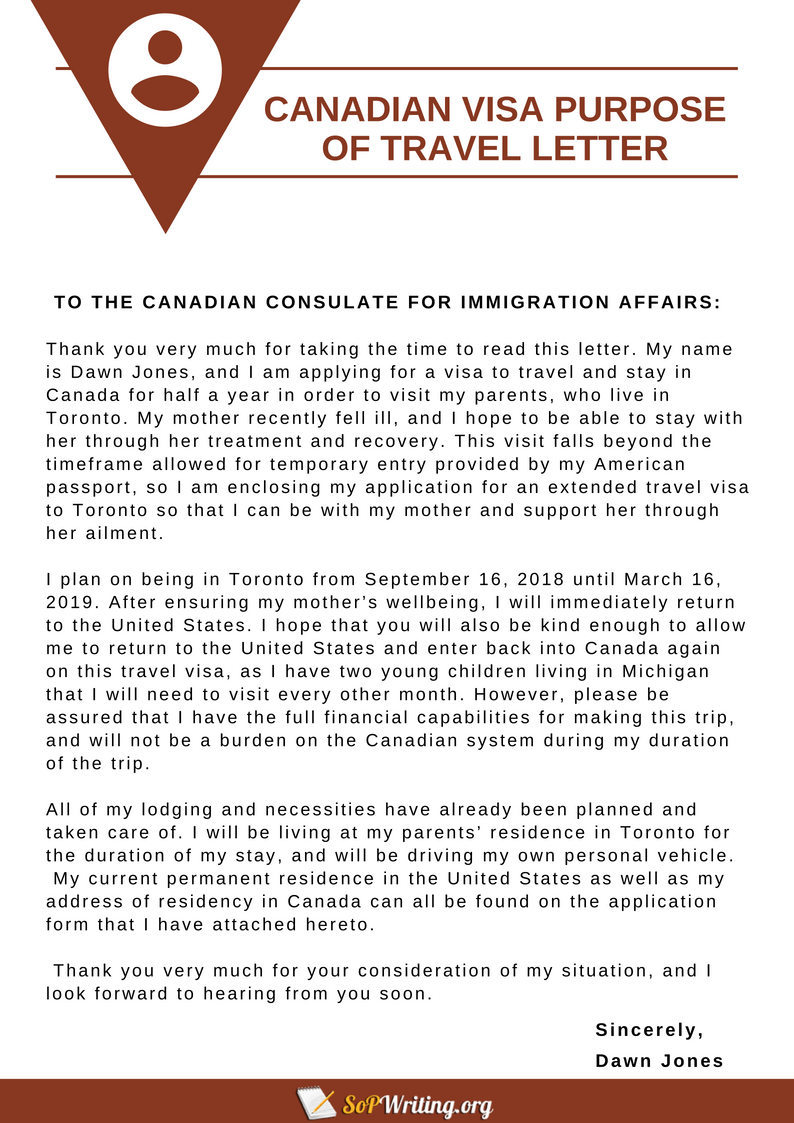
Thorough documentation is crucial for supporting your travel history. Providing comprehensive travel itineraries, supporting documents, and evidence of your financial standing to support the nature of your travels, especially longer stays or unusual destinations, is essential. This documentation could include flight tickets, hotel reservations, and evidence of employment or financial means. The type of evidence varies based on the reason for travel.
Positive and Negative Travel History Examples
Consistent and Logical Travel History
Imagine someone applying for a tourist visa with a clear history of short trips to different countries for vacation and leisure. The applicant consistently maintains a consistent record of booking accommodations and attending tourist attractions, demonstrating that they have a consistent pattern of travel and a valid purpose for applying for a tourist visa.
Inconsistent Travel History
Conversely, a travel history involving multiple long-term stays or inconsistent activities and locations might raise suspicion. For example, consider an individual applying for a tourist visa with a significant portion of their history spent working or engaging in business activities in certain countries. Such a history doesn’t align with a tourist visa application, highlighting the importance of consistency and transparency in your travel history and how it directly affects your visa application.
Factors to Consider
Factors to consider during your application include the duration of each trip, destination countries, planned activities, and your financial standing. Clear documentation is essential to justify the purpose and nature of your travel, especially regarding extended stays or unusual destinations.
Strategies for a Positive Outcome
Preparing Your Application
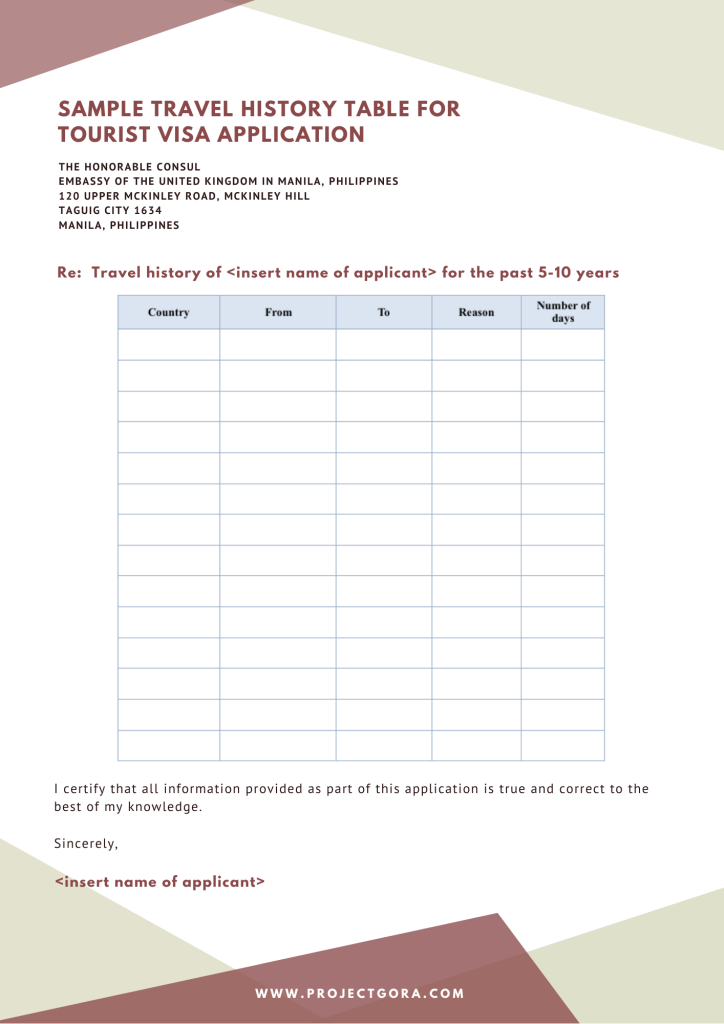
Thoroughly review and research the requirements for visa applications. Compile detailed itineraries and documentation to provide supporting evidence for your travel history. This includes copies of past visas, flight tickets, hotel reservations, and other documents.
Emphasizing Transparency and Honesty
Be completely transparent and honest about your travel history. Explain any deviations from the usual travel patterns that might raise questions. Thorough justification and clear explanations are essential to present a coherent and logical account of your travels.
Understanding Specific Visa Requirements
Different types of visas have different requirements and guidelines. Understanding the specifics of the visa you are applying for is essential. This will involve research into the particular visa guidelines.
Tips for a Strong Application
Presenting a Consistent Narrative
Your travel history should present a consistent narrative. This includes a detailed itinerary, information about your employment, and supporting documents to show a comprehensive picture of your lifestyle and travel history.
Utilizing Supporting Documentation
Present compelling evidence to support your claims. Documentation, such as flight tickets, hotel receipts, and bank statements, can strengthen your application and demonstrate the authenticity of your travel history.
Seeking Professional Advice
Consulting a visa specialist can help you navigate the complexities of visa applications and provide tailored advice based on your specific circumstances.
Conclusion for Visa Application
Importance of Thorough Preparation
Thoroughly preparing your application is vital to a successful outcome. Comprehend visa guidelines, prepare comprehensive documentation, and ensure a consistent narrative to improve your chances of visa approval.
The Value of Professional Guidance
Seeking guidance from a visa specialist can greatly aid your application process. They can provide valuable insights tailored to your circumstances and help you avoid potential pitfalls.
Further Steps
To gain a deeper understanding of the complexities of travel history and its impact on visa applications, it’s recommended to consult credible sources and seek professional assistance when needed.
Additional Considerations
Understanding Visa Policies
Research the specific visa policies of the countries you plan to visit. Understanding the criteria for visa approval and potential issues with your travel history can prevent problems down the line.
Implications of Extended Stays
Extended stays in a country might require additional documentation and justification to ensure consistency with the declared purpose of your visa application. Plan meticulously to avoid any unforeseen complications in visa processing.
Managing Potential Conflicts
If you anticipate any potential conflicts with your travel history, proactively address them with detailed explanations and supporting documents to mitigate any negative impact on your visa application.
Visa Application Process Overview
Submission Procedures
Submitting your application correctly is vital for visa processing. Comply with all instructions, provide accurate details, and utilize the relevant channels for submission.
Processing Timelines
Understand the processing timelines for visa applications in your region to manage your expectations and ensure timely follow-ups.
Follow-Up and Communication
Maintain open communication with the visa authorities throughout the process. Be prepared for questions and address any concerns proactively to streamline the process.
Travel History and Visa Types
Different Visa Categories
Different visa categories have varying requirements related to your travel history, requiring specific documentation to support the nature of your trip and duration.
Tourist Visas
Tourist visas typically require a shorter-term stay history with clear demonstration of the intent to travel for leisure purposes.
Work Visas
Work visas might need a broader travel history, potentially illustrating a pattern related to employment opportunities, which may differ from tourist visa application requirements. Work history and travel experiences in related fields must be demonstrably correlated with the application’s purpose.
Frequently Asked Questions
How does recent travel affect a tourist visa?
Recent travel, particularly if it involves extended stays or unusual destinations, might be scrutinized during a tourist visa application. Consular officers will assess consistency between your stated purpose of travel and your actual travel history. Prior trips should logically align with the purpose of your application. Discrepancies can cause delays or denial of a tourist visa. A comprehensive travel history, which reflects your intended travel and lifestyle, enhances your credibility.
What if I have a travel history that is not fully aligned with my visa application?
If your past travel doesn’t perfectly align with your current visa application, proactive disclosure and meticulous justification are key. Be transparent and explain the reasons behind your trips that seem unrelated to your application purpose. Thorough documentation, supporting your claim with letters, receipts, or itineraries can demonstrate a legitimate travel history.
What kind of proof can I provide to support my travel history?
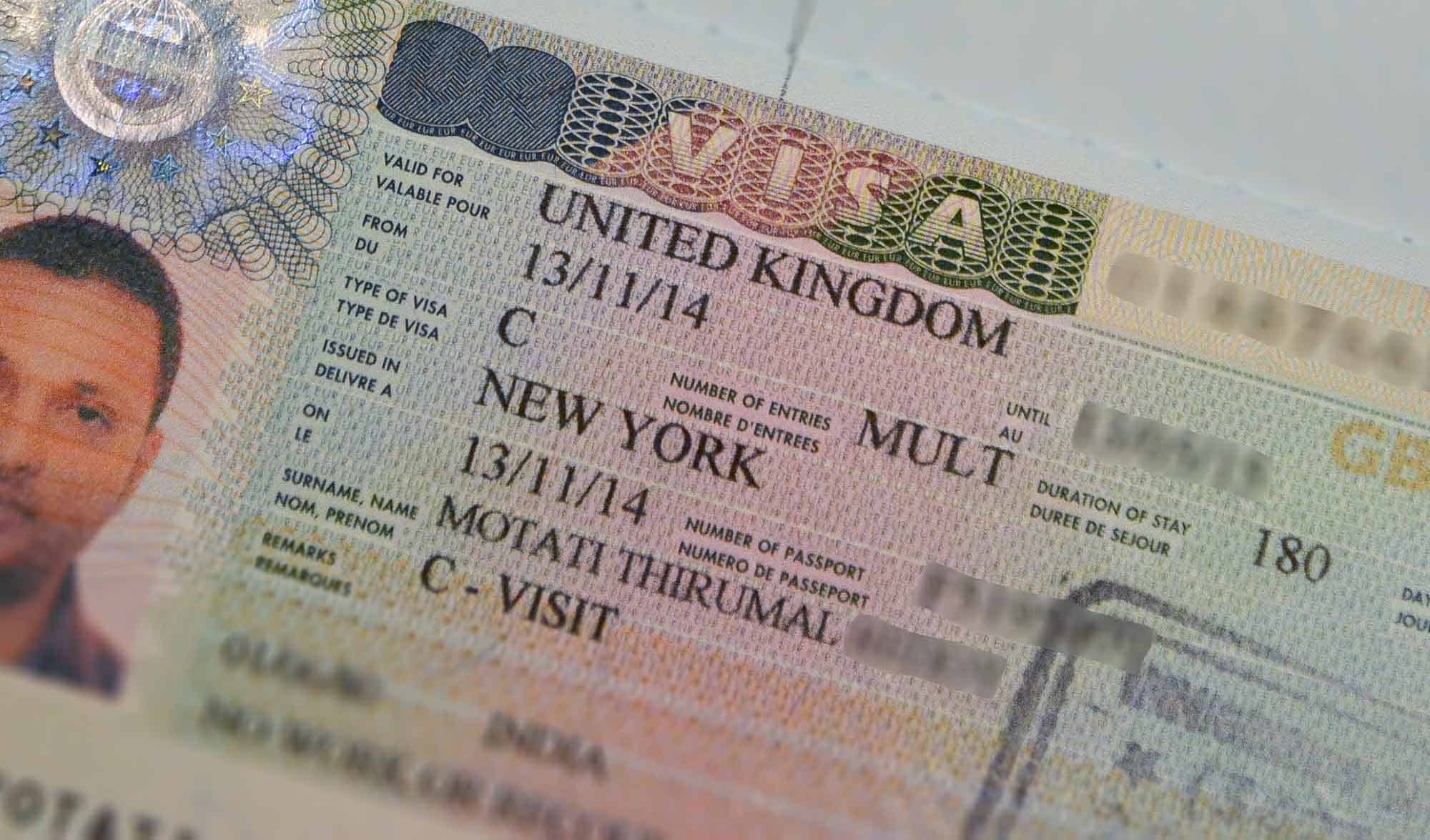
Provide compelling evidence to support the validity of your claims. This includes supporting documents such as flight tickets, hotel bookings, visa stamps from previous visits, detailed itineraries of travel, and any documents that can demonstrate the purpose of your travel and any relevant circumstances or events that might have influenced your travel patterns. The goal is to demonstrate that your travel history is consistent with your application.
In conclusion, your recent travel history significantly impacts your visa application. Understanding the nuances of how different types of travel are viewed is crucial for a successful application. Prioritize transparency and honesty in your application, and be prepared to provide compelling justifications for your travel. Consult with a visa specialist if you are uncertain about any aspect of your application. This will improve your chances of a successful outcome.